Naija & Western gistNews · Celebs · Trends

Trend Naija

Home › World & West

World & West
Reported

US reportedly carries out limited strikes on Iran's Qeshm Island on eve of midterms
A globe of the Earth
Stock image: Zde / Wikimedia Commons, CC BY-SA 4.0

The United States military has reportedly carried out limited strikes on Qeshm Island, a strategic Iranian island near the Strait of Hormuz, on Monday, 2 November 2026, the eve of the US midterm elections.

What happened

According to US officials quoted in reports, the operation was a defensive response after Iran's Islamic Revolutionary Guard Corps (IRGC) fired surface-to-air missiles at US assets. Iranian state media confirmed several explosions on the island. Officials reportedly said it was one of a series of low-profile strikes carried out in recent weeks, kept quiet to avoid signalling a return to full-scale fighting. Separately, the IRGC claimed it had intercepted and captured two US drones south of Qeshm.

Why Qeshm matters

Qeshm is the largest island in the Persian Gulf and is said to hold Iranian anti-ship missiles, sea mines and drones in underground tunnels. Its position near the Strait of Hormuz, through which a large share of the world's oil passes, makes it militarily important.

Diplomacy continues

The strikes came as Qatar leads indirect talks between the two sides. Iran's foreign minister, Abbas Araghchi, described the talks as active, and on Monday Iran said it could reopen the Strait of Hormuz within two days if the US met its conditions. US Vice President JD Vance reportedly said there had been progress, but warned that Iran remains unpredictable and that President Donald Trump would keep both military and diplomatic options open.

Why it matters

Oil prices rose slightly after reports of the strikes, with Brent crude trading at about $105 a barrel. Higher oil prices affect Nigeria's revenue and fuel costs around the world. The conflict between the US and Iran began on 28 February.

More gist

World & WestReported
A globe of the Earth
Stock image: Zde / Wikimedia Commons, CC BY-SA 4.0

US to remove South Africa and Rwanda from AGOA duty-free trade scheme

The US says it will remove South Africa and Rwanda from the African Growth and Opportunity Act from 1 January 2027, accusing both of practices that break the scheme's rules. South Africa says it will support affected industries.

Read more

The United States plans to remove South Africa and Rwanda from the African Growth and Opportunity Act (AGOA), its main duty-free trade programme for African countries, from 1 January 2027.

What the US said

US Trade Representative Jamieson Greer said on Monday, 2 November 2026, that President Donald Trump intends to end the two countries' participation in the scheme. According to reports, Greer said the President found that both governments were engaging in practices inconsistent with AGOA's eligibility rules, including barriers to American trade and investment and actions that threaten US security and foreign policy interests in the region.

South Africa's response

South Africa's trade ministry said it would support the sectors affected and would keep pursuing trade and investment with the United States. It said AGOA remains important but is not the whole of the economic relationship between the two countries.

What is at stake

AGOA, enacted in 2000, gives eligible African countries duty-free access to the US market for thousands of products. South Africa has been its largest beneficiary, exporting about $1.7 billion worth of goods under the scheme in 2025, mainly car parts, citrus fruit and wine. Rwanda's main exports include coffee and minerals.

Background

The Trump administration has taken a series of steps against South Africa, accusing its government of persecuting white South Africans, a claim Pretoria rejects. Nigeria remains an AGOA beneficiary, although its exports under the scheme are dominated by oil. Trade experts say the decision is a warning to other African countries that eligibility can be withdrawn.

World & WestReported
A globe of the Earth
Stock image: Zde / Wikimedia Commons, CC BY-SA 4.0

UK and Nigeria agree three-year plan against visa fraud and illegal migration

The UK and Nigeria have reportedly agreed a three-year programme to tackle organised immigration crime, covering visa fraud, document checks, deportations and data sharing. The plan grew out of President Tinubu's state visit to the UK in March.

Read more

The United Kingdom and Nigeria have agreed a three-year programme to tackle organised immigration crime, with details published by the UK Home Office, according to reports.

What the plan covers

The programme targets criminal networks behind irregular migration and visa fraud. Both countries have committed to tighter border security and better verification of travel documents. They also agreed to deepen cooperation on returns of people with no right to stay, the sharing of data and extradition.

How it came about

The programme was first announced during President Bola Tinubu's state visit to the UK in March 2026, when Nigeria's interior minister and the UK Home Secretary signed a joint statement. Officials from both countries agreed on next steps at their annual migration, justice and home affairs dialogue in London on 6 October, and a joint communiqué setting out the plan was published on 16 October.

What it means for Nigerians

For genuine travellers, the plan is likely to mean stricter checks on documents used in visa applications. Officials say it should also make it harder for fraudsters who sell fake documents or promise people illegal routes to the UK.

Background

The UK is one of the most popular destinations for Nigerian students and workers. The British government has been tightening its immigration rules, and this week dropped a plan to make some care workers wait 15 years for permanent settlement, while keeping a 10-year route for most lower earners.

World & West
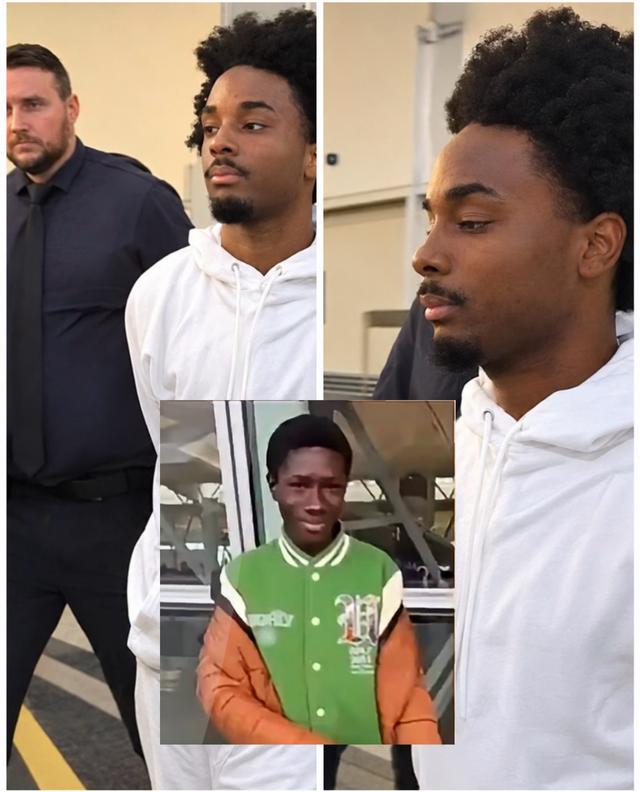
A man in a white hoodie escorted by a plain-clothes officer, with an inset of a teenager in a green jacket
Photo: Trend Naija

Police reportedly arrest suspect over shooting death of 15-year-old Ghanaian boy Javits Frimpong in New York

Police have reportedly made an arrest in connection with the shooting of Javits Frimpong, a 15-year-old Ghanaian boy who was killed while walking to school in the Bronx, New York. Questions remain about what led to the shooting and whether others were involved.

Read more

Police have reportedly made an arrest in connection with the tragic shooting of Javits Frimpong, a 15-year-old Ghanaian teenager who was killed in the Bronx, New York.

The development reportedly came after officers spent much of the afternoon searching for suspected gang members believed to have been involved in the incident.

What happened

Javits was shot and killed while walking to school in the Bronx last week. He had moved from Ghana about a year earlier to live with his father, Thomas Frimpong, in New York.

His father has said he believes bullying may have been behind the attack, and police have been looking into it as a possible motive.

Grief and calls for justice

The killing has caused deep grief in the Ghanaian community and beyond. Students in the Bronx staged a walkout after his death, a memorial in his honour has continued to grow, and the Ghanaian government has vowed to pursue justice for the boy.

Questions remain

Although one suspect is now reportedly in custody, several questions remain unanswered, including what exactly led to the shooting and whether other people were involved. The identity of the person reportedly arrested has not been officially confirmed.

Police investigations are expected to continue as officers try to piece together what happened and establish who was responsible.

A life cut short

For Javits Frimpong's family, no arrest can bring back the young life that has been lost. At just 15 years old, he had so much of his future ahead of him.

The hope now is that a thorough investigation will uncover the truth and ensure that anyone found responsible is brought to justice.

World & WestReported
A globe of the Earth
Stock image: Zde / Wikimedia Commons, CC BY-SA 4.0

Iran says it could reopen Strait of Hormuz within two days if US meets its demands

Iran has reportedly said it could reopen the Strait of Hormuz within 48 hours if Washington accepts its conditions, including lifting oil sanctions and ending a naval blockade. Talks in Doha ended without a breakthrough.

Read more

Iran says it could reopen the Strait of Hormuz, one of the world's most important oil shipping routes, within 48 hours if the United States accepts its conditions for ending the war between the two countries.

What Iran said

Foreign Ministry spokesman Esmaeil Baghaei said on Monday, 2 November 2026, that Tehran had shortened an earlier seven-day proposal to two days, and reportedly described this as a sign of good faith. He said reopening the waterway and returning to negotiations depended on Washington agreeing to Iran's demands, and that messages were still being exchanged through mediators.

Iran's conditions

According to reports, Iran wants an end to the war across the Middle East, the release of its frozen assets abroad, the lifting of sanctions on its oil sector and an end to the US naval blockade of its ports. Foreign Minister Abbas Araghchi has also called for a new transit arrangement for ships passing through the strait, agreed between Iran and Oman, and fewer US troops in the region.

Background

The two countries have been in conflict for about eight months. Iranian and Qatari negotiators held three days of talks in Doha aimed at reaching a deal, but they ended without a breakthrough. On Sunday, President Donald Trump told a rally that the US might eventually have to give Iran 'the hammer', and Iran's army said it was ready for a long war.

Why it matters

A large share of the world's oil passes through the Strait of Hormuz. Disruption there affects global oil prices, which matters for Nigeria's earnings from crude oil and for fuel costs around the world.