Naija & Western gistNews · Celebs · Trends

Trend Naija

Home › World & West

World & West
Reported

US congressman introduces bill to stop lobbyists working for Nigeria
A globe of the Earth
Stock image: Zde / Wikimedia Commons, CC BY-SA 4.0

A United States congressman has introduced legislation aimed at stopping American lobbying firms from working for the Nigerian government.

What the bill does

Representative Barry Moore introduced H.R. 10939, which would bar people and firms in the United States from accepting payment to lobby on Nigeria's behalf for as long as Nigeria is designated a Country of Particular Concern (CPC) for religious freedom violations. Firms that take such payments during that period could face sanctions. The bill was reported on Saturday, 31 October 2026, and has been referred to the House Committee on Foreign Affairs.

Why Moore introduced it

Moore reportedly accused the Nigerian government of paying expensive lobbyists in Washington to play down the persecution of Christians in the country. The allegations of persecution are disputed by the Nigerian government, which has said that insecurity affects people of all faiths and is driven by terrorism, banditry and communal conflicts.

Background

The United States designated Nigeria a Country of Particular Concern, a label for countries accused of severe violations of religious freedom. The designation has strained relations between the two countries, and the Nigerian government has hired lobbying firms in Washington to present its position. The issue gained new attention this week after a Christian woman was convicted in Borno State over converting an adult, a case criticised by Christian groups.

What happens next

The bill must pass through committee and both houses of Congress before it can become law. The Nigerian government had not responded publicly at the time of the report.

More gist

World & WestReported
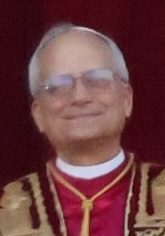
Pope Leo XIV
Photo: Edgar Beltrán / The Pillar / Wikimedia Commons, CC BY-SA 4.0

Pope Leo XIV casts mail-in ballot in US midterm elections

The Vatican says Pope Leo XIV has voted by mail in the US midterm elections in his home state of Illinois, believed to be the first time a pope has voted in an American election. The Vatican said he believes citizens have a right and duty to take part in democracy.

Read more

Pope Leo XIV, the first American pope, has voted in the United States midterm elections, the Vatican has confirmed.

What happened

The Holy See press office said on Friday, 30 October 2026, that the Pope had cast a mail-in ballot in Illinois, where he was born. It said he had exercised his right to vote as a US citizen whenever he was eligible, and that he believes citizens have both a right and a duty to take part in democratic processes. His ballot is expected to include races for the US Senate, the governorship of Illinois and the House of Representatives. He is believed to be the first pope ever to vote in an American election.

Background

The Pope was born Robert Francis Prevost in Chicago and holds both American and Peruvian citizenship, having spent many years as a missionary and bishop in Peru. He was elected pope in May 2025 after the death of Pope Francis. Public records show he voted regularly in Illinois before becoming pope, including in the 2024 presidential election. The Vatican did not say who he voted for.

Why it matters

The US midterm elections in November will decide control of Congress, and the Pope's decision to vote has drawn wide attention because of his role as a global religious leader. Supporters praised him for setting an example of civic duty, while others questioned whether a pope should take part in a national election.

What happens next

The Pope is expected to continue his public schedule, including a planned visit to South America.

World & WestReported
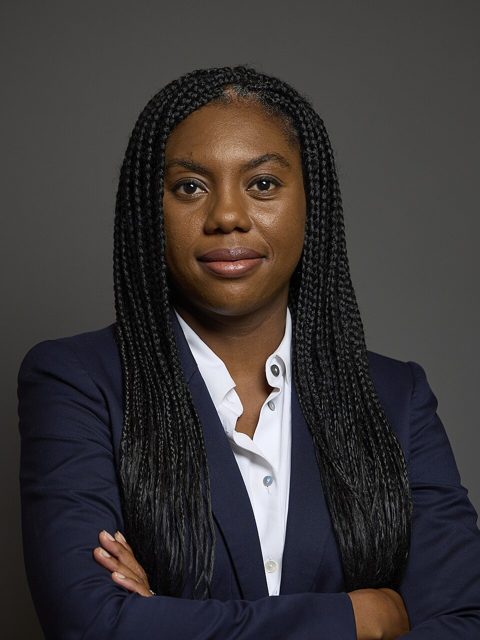
Kemi Badenoch
Photo: ©House of Commons / Roger Harris / Wikimedia Commons, CC BY 3.0

Kemi Badenoch hits back after being called a 'Nigerian scammer' online

UK Conservative leader Kemi Badenoch has condemned online attacks referring to her Nigerian background, after a former adviser linked to Nigel Farage repeatedly called her a scammer. She said Britain is not a racist country and the attacks would not work, while Farage said the comment was over the top but not racist.

Read more

Kemi Badenoch, the Nigerian-raised leader of Britain's Conservative Party, has condemned online attacks that referred to her heritage, saying they show what kind of people her critics are.

What happened

According to reports on Friday, 30 October 2026, Raheem Kassam, a former adviser linked to Nigel Farage's camp, repeatedly called Badenoch a scammer in social media posts over the weekend, mocking her Nigerian background and warning people not to give her their bank details. He also accused her of using her heritage to advance her career when it suited her.

What Badenoch said

Speaking on a British breakfast television programme, Badenoch said some people in Reform UK appeared to think that attacking her race would help them. She said Britain is not a racist country and that such attacks would not work, and urged former Conservative voters who had switched to Reform to come back.

Reform's response

Robert Jenrick, a former Conservative MP who has defected to Reform UK, reportedly declined to call the comments racist, describing them as perhaps rude or unpleasant. Badenoch said Jenrick was now Nigel Farage's problem. Farage said that mentioning that someone grew up in Nigeria was not racist, but later described Kassam's comment as over the top. A Labour spokesperson criticised Jenrick for not condemning the remarks.

Background

Badenoch was born in London, grew up partly in Lagos and moved back to Britain as a teenager. She became Conservative leader in 2024. Reform UK has been rising in opinion polls, and several former Conservatives have joined the party, increasing tensions between the two.

World & West
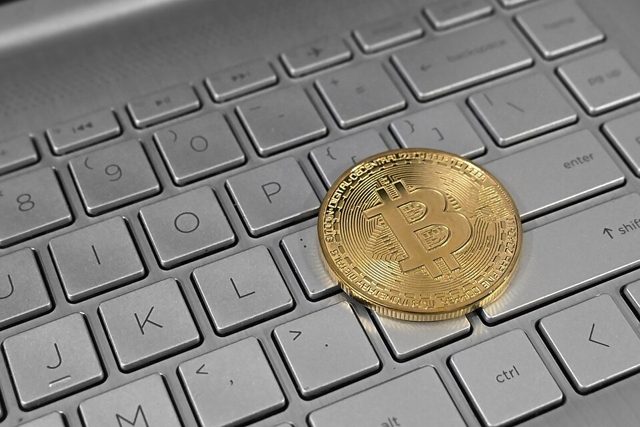
A Bitcoin coin on a laptop keyboard (stock image)
Stock image: Satheesh Sankaran / Wikimedia Commons, CC BY 2.0

Binance reportedly hit by $6.3bn hack, the biggest crypto theft on record

Crypto exchange Binance has reportedly lost about $6.3 billion in digital assets in a hack it says began with an engineer's compromised laptop. The exchange has frozen about $3 billion, promised to cover customers' losses and paused deposits and withdrawals. Investigators have linked the attack to a North Korean hacking group.

Read more

Binance, the world's largest cryptocurrency exchange, has reportedly suffered a hack worth about $6.3 billion, which would make it the largest crypto theft ever recorded.

What happened

Binance announced the breach on Thursday, 29 October 2026, and suspended deposits and withdrawals while it worked to contain the damage. Its preliminary investigation reportedly found that the attackers got in through a compromised laptop belonging to one of its engineers, and used that access to carry out unauthorised transactions. Founder Changpeng Zhao confirmed that the exchange appeared to have been the victim of a cyberattack.

What Binance says

The exchange said about $3 billion of the stolen funds had already been frozen, although other reports put the frozen amount lower. Binance said it would cover all remaining losses, assured customers that their holdings were safe and said it was working with law enforcement. It promised a full technical report once its investigation is complete.

Who is suspected

Blockchain analysis firm TRM said it believed with high confidence that the attack was carried out by TraderTraitor, a North Korean state-backed hacking unit linked to the Lazarus Group. The firm warned that the stolen money could be used to fund North Korea's weapons programmes. North Korea has not commented.

Market impact

The price of Bitcoin reportedly fell by about 5 per cent to below $77,000 after news of the breach. The previous record crypto theft was about $1.5 billion stolen from the Bybit exchange in 2025, also blamed on North Korean hackers.

Why it matters for Nigerians

Binance has millions of users in Africa, and Nigeria is one of the world's biggest markets for crypto trading. Users are being advised to watch for official updates from the exchange and to be wary of scammers posing as Binance support staff.

Naija newsReported
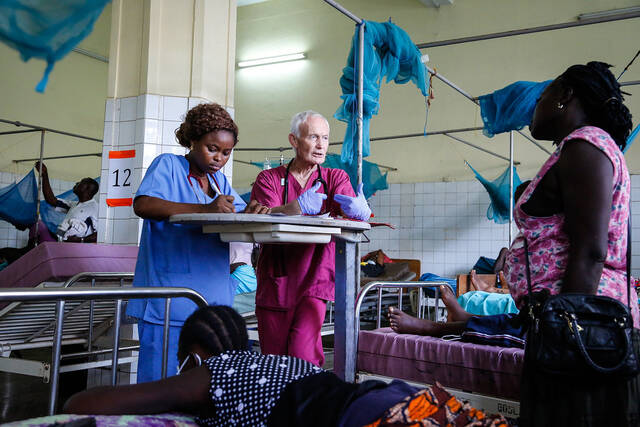
Medics at work in an Ebola observation ward (stock image)
Stock image: DFID - UK Department for International Development / Flickr, CC BY 2.0

NCDC reports two suspected Ebola cases in North-East, patients isolated

The Nigeria Centre for Disease Control says two suspected Ebola cases have been identified in the North-East and both people have been isolated. Laboratory tests are under way and contacts are being traced; the cases have not been confirmed.

Read more

The Nigeria Centre for Disease Control and Prevention (NCDC) has announced two suspected cases of Ebola virus disease in the North-East of the country.

What the NCDC said

In a social media post on Saturday, 31 October 2026, the NCDC said the two cases were suspected only and had not been confirmed. Both people have been isolated, laboratory tests are being carried out, and health workers have begun identifying and listing everyone who came into contact with them. The agency did not say which states the cases are in or give details about the patients, and said it would provide updates as verified information becomes available.

Advice to the public

The NCDC urged Nigerians to wash their hands thoroughly and often, improve sanitation and follow guidance from health authorities. Health officials generally advise anyone with symptoms such as sudden fever, weakness, vomiting or unexplained bleeding, especially after contact with a sick person or recent travel to an affected country, to seek medical care quickly and avoid self-medication.

Background

Nigeria recorded one confirmed imported Ebola case this month in a traveller who had recently been to Uganda. That patient was evacuated to Switzerland for treatment, and dozens of contacts were monitored. The wider outbreak, caused by the Bundibugyo strain, began in the Democratic Republic of Congo in May and has now passed 10,000 confirmed cases, with nearly 5,000 deaths. Africa CDC warned this week that the continent is not winning the fight against the virus.

What happens next

Test results are expected in the coming days. If the cases are confirmed, they would be the first locally detected cases in Nigeria during this outbreak.