Naija & Western gistNews · Celebs · Trends

Trend Naija

Home › World & West

World & West
Reported

Pope Leo XIV casts mail-in ballot in US midterm elections
Pope Leo XIV
Photo: Edgar Beltrán / The Pillar / Wikimedia Commons, CC BY-SA 4.0

Pope Leo XIV, the first American pope, has voted in the United States midterm elections, the Vatican has confirmed.

What happened

The Holy See press office said on Friday, 30 October 2026, that the Pope had cast a mail-in ballot in Illinois, where he was born. It said he had exercised his right to vote as a US citizen whenever he was eligible, and that he believes citizens have both a right and a duty to take part in democratic processes. His ballot is expected to include races for the US Senate, the governorship of Illinois and the House of Representatives. He is believed to be the first pope ever to vote in an American election.

Background

The Pope was born Robert Francis Prevost in Chicago and holds both American and Peruvian citizenship, having spent many years as a missionary and bishop in Peru. He was elected pope in May 2025 after the death of Pope Francis. Public records show he voted regularly in Illinois before becoming pope, including in the 2024 presidential election. The Vatican did not say who he voted for.

Why it matters

The US midterm elections in November will decide control of Congress, and the Pope's decision to vote has drawn wide attention because of his role as a global religious leader. Supporters praised him for setting an example of civic duty, while others questioned whether a pope should take part in a national election.

What happens next

The Pope is expected to continue his public schedule, including a planned visit to South America.

More gist

World & WestReported
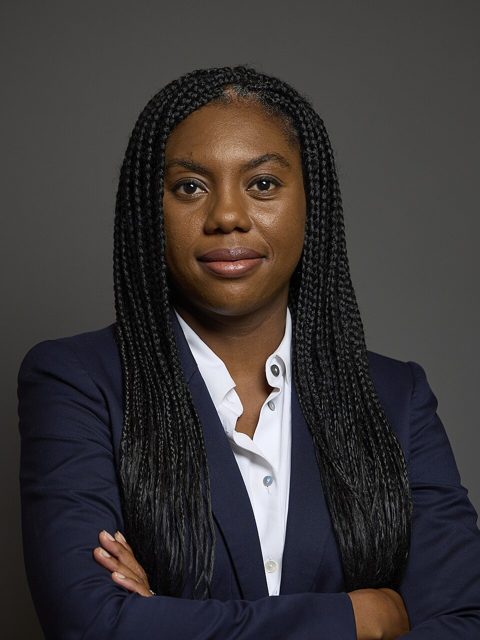
Kemi Badenoch
Photo: ©House of Commons / Roger Harris / Wikimedia Commons, CC BY 3.0

Kemi Badenoch hits back after being called a 'Nigerian scammer' online

UK Conservative leader Kemi Badenoch has condemned online attacks referring to her Nigerian background, after a former adviser linked to Nigel Farage repeatedly called her a scammer. She said Britain is not a racist country and the attacks would not work, while Farage said the comment was over the top but not racist.

Read more

Kemi Badenoch, the Nigerian-raised leader of Britain's Conservative Party, has condemned online attacks that referred to her heritage, saying they show what kind of people her critics are.

What happened

According to reports on Friday, 30 October 2026, Raheem Kassam, a former adviser linked to Nigel Farage's camp, repeatedly called Badenoch a scammer in social media posts over the weekend, mocking her Nigerian background and warning people not to give her their bank details. He also accused her of using her heritage to advance her career when it suited her.

What Badenoch said

Speaking on a British breakfast television programme, Badenoch said some people in Reform UK appeared to think that attacking her race would help them. She said Britain is not a racist country and that such attacks would not work, and urged former Conservative voters who had switched to Reform to come back.

Reform's response

Robert Jenrick, a former Conservative MP who has defected to Reform UK, reportedly declined to call the comments racist, describing them as perhaps rude or unpleasant. Badenoch said Jenrick was now Nigel Farage's problem. Farage said that mentioning that someone grew up in Nigeria was not racist, but later described Kassam's comment as over the top. A Labour spokesperson criticised Jenrick for not condemning the remarks.

Background

Badenoch was born in London, grew up partly in Lagos and moved back to Britain as a teenager. She became Conservative leader in 2024. Reform UK has been rising in opinion polls, and several former Conservatives have joined the party, increasing tensions between the two.

World & West
A Bitcoin coin on a laptop keyboard (stock image)
Stock image: Satheesh Sankaran / Wikimedia Commons, CC BY 2.0

Binance reportedly hit by $6.3bn hack, the biggest crypto theft on record

Crypto exchange Binance has reportedly lost about $6.3 billion in digital assets in a hack it says began with an engineer's compromised laptop. The exchange has frozen about $3 billion, promised to cover customers' losses and paused deposits and withdrawals. Investigators have linked the attack to a North Korean hacking group.

Read more

Binance, the world's largest cryptocurrency exchange, has reportedly suffered a hack worth about $6.3 billion, which would make it the largest crypto theft ever recorded.

What happened

Binance announced the breach on Thursday, 29 October 2026, and suspended deposits and withdrawals while it worked to contain the damage. Its preliminary investigation reportedly found that the attackers got in through a compromised laptop belonging to one of its engineers, and used that access to carry out unauthorised transactions. Founder Changpeng Zhao confirmed that the exchange appeared to have been the victim of a cyberattack.

What Binance says

The exchange said about $3 billion of the stolen funds had already been frozen, although other reports put the frozen amount lower. Binance said it would cover all remaining losses, assured customers that their holdings were safe and said it was working with law enforcement. It promised a full technical report once its investigation is complete.

Who is suspected

Blockchain analysis firm TRM said it believed with high confidence that the attack was carried out by TraderTraitor, a North Korean state-backed hacking unit linked to the Lazarus Group. The firm warned that the stolen money could be used to fund North Korea's weapons programmes. North Korea has not commented.

Market impact

The price of Bitcoin reportedly fell by about 5 per cent to below $77,000 after news of the breach. The previous record crypto theft was about $1.5 billion stolen from the Bybit exchange in 2025, also blamed on North Korean hackers.

Why it matters for Nigerians

Binance has millions of users in Africa, and Nigeria is one of the world's biggest markets for crypto trading. Users are being advised to watch for official updates from the exchange and to be wary of scammers posing as Binance support staff.

World & West
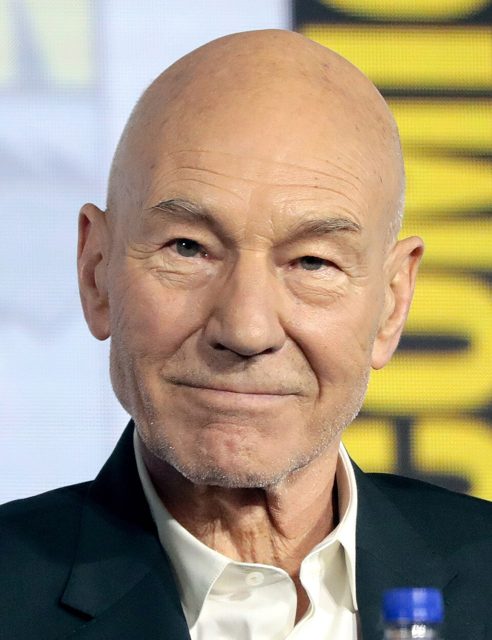
Sir Patrick Stewart
Photo: Gage Skidmore / Wikimedia Commons, CC BY-SA 3.0

Star Trek and X-Men actor Sir Patrick Stewart dies at 86

Sir Patrick Stewart, famous as Captain Jean-Luc Picard in Star Trek and Professor Charles Xavier in the X-Men films, has died at his home in Los Angeles at the age of 86. His spokesperson said he died on Wednesday after living with Alzheimer's disease and Lewy body dementia.

Read more

Sir Patrick Stewart, the British actor who became a global star as Captain Jean-Luc Picard in Star Trek: The Next Generation, has reportedly died at the age of 86. He passed away on Wednesday, 28 October 2026, at his home in Los Angeles.

What was announced

His spokesperson, Kelly Bush Novak, shared a statement on Instagram on Thursday saying the actor died from Alzheimer's disease and Lewy body dementia, in the care of his wife, Sunny, and surrounded by family and friends. The family described his final stage as a short and moving journey and said his grace would be remembered.

His life and career

Stewart was born in Mirfield in Yorkshire, England, and began his career with the Royal Shakespeare Company. Over six decades he worked on stage, in film and on television. He reached millions of viewers as Captain Picard and later as Professor Charles Xavier, the leader of the mutants in the X-Men films. Despite his screen fame, he spent much of his career in the theatre, playing roles such as Macbeth and Claudius, and performing his own one-man version of A Christmas Carol. With his close friend Sir Ian McKellen, he starred in West End and Broadway productions of Waiting for Godot and No Man's Land, swapping roles between them.

Why it matters

Stewart was one of the few actors equally admired by Shakespeare lovers and science fiction fans. He returned to the role of Picard in a later television series and was knighted for services to drama. Fans around the world, including in Nigeria, shared clips of his most famous scenes as news of his death spread.

What happens next

Details of funeral arrangements have not been announced. Tributes from colleagues are expected in the coming days.

World & WestReported
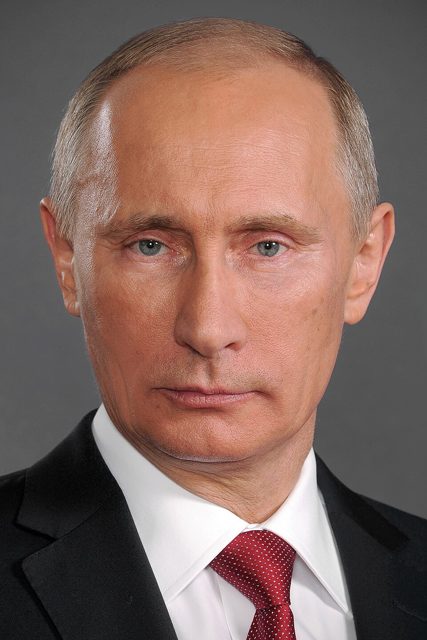
Vladimir Putin
Photo: Пресс-служба Президента России / Wikimedia Commons, CC BY 4.0

Putin tells Europe Russia is 'ready for war' but warns there would be no winners

Russian President Vladimir Putin has reportedly said Russia does not want a war with Europe but is ready for one, warning that nobody would win if tensions escalate. He spoke at a Russia–Africa summit in Moscow attended by delegations from 48 countries.

Read more

Russian President Vladimir Putin has issued a fresh warning to European countries, reportedly saying Russia is ready for war with Europe even though it does not want one.

What he said

Speaking at a Russia–Africa summit in Moscow, reported on Thursday, 29 October 2026, Putin is said to have told any European country seeking a conflict to prepare for it, and warned that if things escalated there would be no winners at all. He argued that Western efforts to defeat Russia strategically had failed. He also said Moscow did not want the Baltic Sea to face disruption like that seen in the Strait of Hormuz during the recent Iran war, which pushed up fuel prices around the world.

The summit

The meeting was attended by 48 countries, including 22 heads of state, according to reports. African countries have deepened trade and security ties with Russia in recent years, and the summit was seen as part of Moscow's effort to keep its influence on the continent.

Background

Tensions between Russia and NATO countries have risen in recent months. Several European governments have accused Russia of sabotage, surveillance of undersea cables and drone incursions into their airspace, including over Latvia and Estonia. Germany raised its assessment of the risk of war with Russia earlier this month. Meanwhile, the war in Ukraine continues, and a Russian strike on a railway station was reported to have killed 14 people this week, an attack Ukraine's president condemned.

What happens next

European leaders are expected to respond to the remarks, and NATO is likely to keep up its patrols in the Baltic region.