Naija & Western gistNews · Celebs · Trends

Trend Naija

Home › World & West

World & West
Reported

Star Trek and X-Men actor Sir Patrick Stewart dies at 86
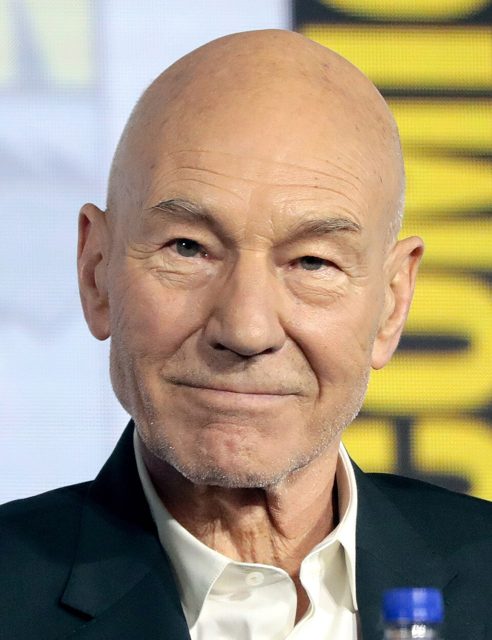
Sir Patrick Stewart
Photo: Gage Skidmore / Wikimedia Commons, CC BY-SA 3.0

Sir Patrick Stewart, the British actor who became a global star as Captain Jean-Luc Picard in Star Trek: The Next Generation, has reportedly died at the age of 86. He passed away on Wednesday, 28 October 2026, at his home in Los Angeles.

What was announced

His spokesperson, Kelly Bush Novak, shared a statement on Instagram on Thursday saying the actor died from Alzheimer's disease and Lewy body dementia, in the care of his wife, Sunny, and surrounded by family and friends. The family described his final stage as a short and moving journey and said his grace would be remembered.

His life and career

Stewart was born in Mirfield in Yorkshire, England, and began his career with the Royal Shakespeare Company. Over six decades he worked on stage, in film and on television. He reached millions of viewers as Captain Picard and later as Professor Charles Xavier, the leader of the mutants in the X-Men films. Despite his screen fame, he spent much of his career in the theatre, playing roles such as Macbeth and Claudius, and performing his own one-man version of A Christmas Carol. With his close friend Sir Ian McKellen, he starred in West End and Broadway productions of Waiting for Godot and No Man's Land, swapping roles between them.
Why it matters

Stewart was one of the few actors equally admired by Shakespeare lovers and science fiction fans. He returned to the role of Picard in a later television series and was knighted for services to drama. Fans around the world, including in Nigeria, shared clips of his most famous scenes as news of his death spread.

What happens next

Details of funeral arrangements have not been announced. Tributes from colleagues are expected in the coming days.

More gist

World & WestReported
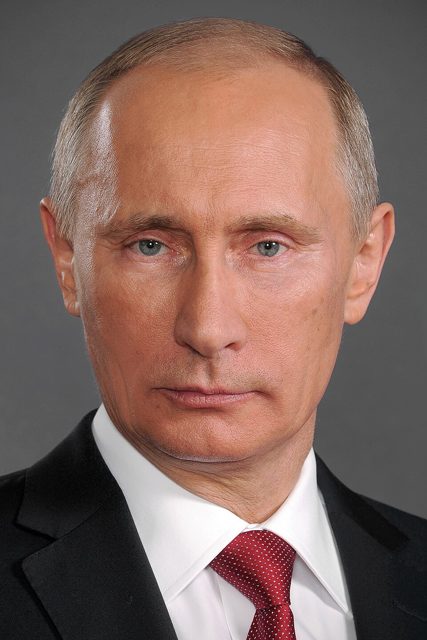
Vladimir Putin
Photo: Пресс-служба Президента России / Wikimedia Commons, CC BY 4.0

Putin tells Europe Russia is 'ready for war' but warns there would be no winners

Russian President Vladimir Putin has reportedly said Russia does not want a war with Europe but is ready for one, warning that nobody would win if tensions escalate. He spoke at a Russia–Africa summit in Moscow attended by delegations from 48 countries.

Read more

Russian President Vladimir Putin has issued a fresh warning to European countries, reportedly saying Russia is ready for war with Europe even though it does not want one.

What he said

Speaking at a Russia–Africa summit in Moscow, reported on Thursday, 29 October 2026, Putin is said to have told any European country seeking a conflict to prepare for it, and warned that if things escalated there would be no winners at all. He argued that Western efforts to defeat Russia strategically had failed. He also said Moscow did not want the Baltic Sea to face disruption like that seen in the Strait of Hormuz during the recent Iran war, which pushed up fuel prices around the world.

The summit

The meeting was attended by 48 countries, including 22 heads of state, according to reports. African countries have deepened trade and security ties with Russia in recent years, and the summit was seen as part of Moscow's effort to keep its influence on the continent.

Background

Tensions between Russia and NATO countries have risen in recent months. Several European governments have accused Russia of sabotage, surveillance of undersea cables and drone incursions into their airspace, including over Latvia and Estonia. Germany raised its assessment of the risk of war with Russia earlier this month. Meanwhile, the war in Ukraine continues, and a Russian strike on a railway station was reported to have killed 14 people this week, an attack Ukraine's president condemned.

What happens next

European leaders are expected to respond to the remarks, and NATO is likely to keep up its patrols in the Baltic region.

World & WestReported
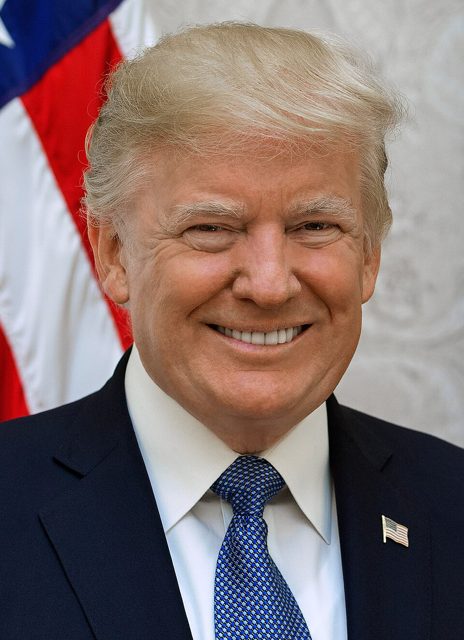
Donald Trump official portrait
Photo: Shealeah Craighead / Wikimedia Commons, Public domain

Trump calls Brazil's presidential election 'a disgrace' as Flavio Bolsonaro claims victory from the US

US President Donald Trump has reportedly described Brazil's presidential election as a disgrace and declined to say whether he recognises Lula da Silva's victory. His comments came a day after Lula's rival, Flavio Bolsonaro, arrived in the United States and declared himself the rightful leader.

Read more

US President Donald Trump has reportedly called Brazil's presidential election a disgrace, raising tensions with Latin America's largest country.

What he said

Asked by reporters on Thursday, 29 October 2026, whether he accepted the victory of President Luiz Inácio Lula da Silva, Trump reportedly described the election as a disgrace and an embarrassment to Brazilians, but said he did not want to say more at that time. He did not say whether he recognised Lula as Brazil's president.

Background

Lula, a veteran left-wing leader, faced Flavio Bolsonaro, the son of former president Jair Bolsonaro, in the election. Flavio Bolsonaro, an ally of Trump, has claimed he was the true winner. He reportedly travelled to the United States the day before Trump's remarks, after going into exile from Brazil, and declared himself the rightful leader. Earlier this week, a Brazilian court had banned him from leaving the country, according to reports at the time.

Why it matters

Trump's comments reportedly go further than his earlier remarks on the vote and are likely to strain relations between Washington and Brasília. The United States and Brazil are major trading partners, and relations were already tense after Trump imposed tariffs on Brazilian goods and criticised the prosecution of Jair Bolsonaro.

What happens next

Brazil's government has not yet responded publicly to the latest comments, and it is not clear whether the United States will formally question the result.

World & West
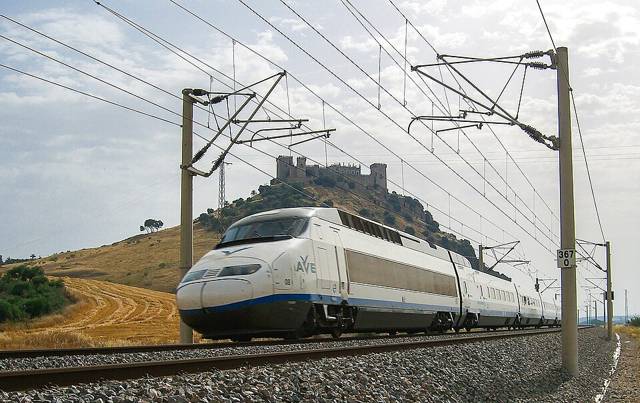
A Spanish AVE high-speed train (file photo)
Stock image: Fedekuki / Wikimedia Commons, CC BY-SA 3.0

Spain mourns as death toll in Toledo high-speed train crash reportedly rises to 69

Spain has begun three days of national mourning after a high-speed train reportedly crashed into a stationary train near Urda in Toledo province on Wednesday. The regional leader of Castilla-La Mancha says 69 people have died, and Prime Minister Pedro Sánchez has promised an investigation.

Read more

Spain began three days of national mourning on Thursday, 29 October 2026, after a high-speed train reportedly ran into the back of a stationary train near the town of Urda in the central province of Toledo on Wednesday. The regional leader of Castilla-La Mancha, Emiliano García-Page, said the death toll had risen to 69 after another body was found overnight.

What happened

According to reports, the moving train struck the stationary one from behind, and three carriages came off the tracks. On Thursday morning, rescue teams with sniffer dogs were still searching the wreckage, while cranes lifted carriages and police officers and soldiers combed the site. The number of people injured has not been confirmed in the reports seen so far, and the cause of the collision has not been announced.

What the government said

Prime Minister Pedro Sánchez visited the scene and promised a full investigation as well as safety improvements on the railways. He reportedly said Spain must strengthen train safety to win back public trust in high-speed rail, and said it was unacceptable for the country to suffer two high-speed accidents in a single year.

Victims identified

Among those killed was Julieta Gallego, a 24-year-old long jumper with a Madrid athletics club, whose death was confirmed by the Royal Spanish Athletics Federation. The federation's president said a young life full of promise had been unjustly cut short.

Background

The crash is Spain's second deadly high-speed rail disaster of 2026. In January, a train derailed near Adamuz in Andalusia and collided with a train coming the other way, killing dozens of people the first deadly accident on a Spanish high-speed train since the network opened in 1992. Spain has one of the largest high-speed rail systems in the world, and both disasters have raised hard questions about maintenance and signalling.

What happens next

Investigators are expected to examine the signalling and the movements of both trains in the hours before the crash. Further updates on the victims and the injured are expected as families are informed.

SportReported
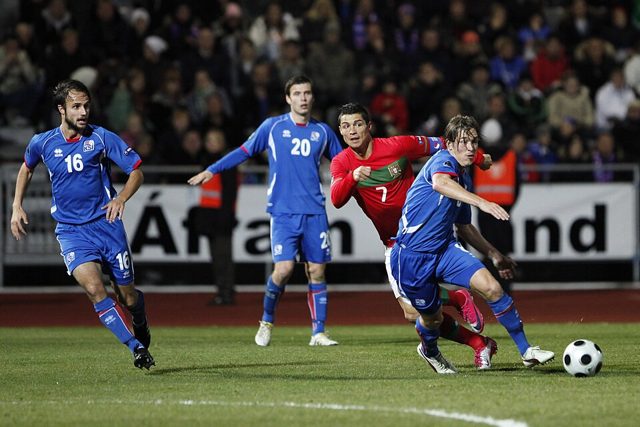
Cristiano Ronaldo, in red, playing for Portugal
Photo: Dagur Brynjólfsson / Wikimedia Commons, CC BY-SA 2.0

Ronaldo's 2007-08 season voted greatest in Ballon d'Or history

Cristiano Ronaldo has thanked fans after his 2007-08 season at Manchester United was voted the greatest Ballon d'Or-winning season of all time in a public vote. Lionel Messi's 2012 season came second.

Read more

Cristiano Ronaldo has received a special 'Ballon d'Or of All Time' honour after fans voted his 2007-08 season at Manchester United the greatest in the history of the award.

What happened

The prize was reportedly presented by France Football, the magazine that runs the Ballon d'Or, after a month-long public online vote. The result was reported on Thursday, 29 October 2026. Lionel Messi's 2012 season finished second, while Ronaldo's own 2017 season came third.

The winning season

In 2007-08, Ronaldo scored 42 goals in all competitions and helped Manchester United win both the Premier League and the Champions League. That season earned him his first Ballon d'Or, the start of a long rivalry with Messi that saw the two players dominate the award for more than a decade.

What Ronaldo said

The Portuguese star thanked fans around the world on social media, saying football belongs to the fans and that the award belongs to them too.

How fans reacted

The result reignited the endless debate between supporters of Ronaldo and Messi. Ronaldo's fans celebrated the win as proof of his greatness, while Messi supporters pointed out that the Argentine has won more Ballon d'Or titles in total. The honour comes days after England captain Harry Kane won this year's Ballon d'Or.