Naija & Western gistNews · Celebs · Trends

Trend Naija

Home › Naija news

Naija news
Reported

NNPC cuts petrol price to ₦1,325 in Abuja and ₦1,355 in Lagos
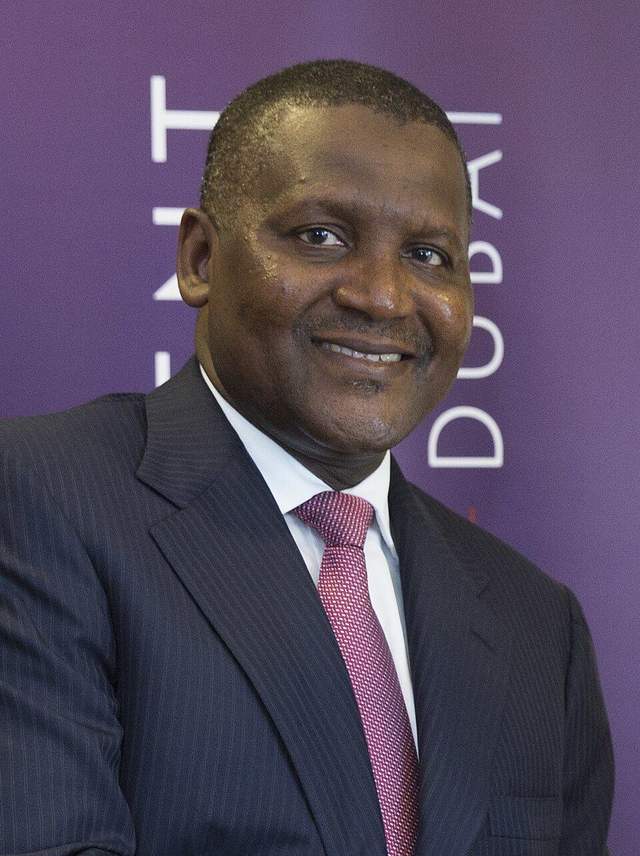
Aliko Dangote in a dark suit
Photo: Saba Dubai / Wikimedia Commons (CC BY 3.0)

Motorists in Abuja and Lagos are paying a little less for petrol after the Nigerian National Petroleum Company (NNPC) cut prices at its filling stations.

The new prices

Checks on Wednesday, 4 November 2026, reportedly showed that NNPC stations in Abuja were selling petrol at ₦1,325 per litre, down from between ₦1,370 and ₦1,405, a reduction of ₦45 to ₦80 per litre. Stations along the Kubwa Expressway and in Gwarinpa were among those already selling at the new price. In Lagos, NNPC stations cut their price by ₦5 to ₦1,355 per litre.

Why prices fell

The cuts followed a pricing review by the Dangote refinery and competition among depots, some of which have been selling below Dangote's ₦1,300 per litre gantry price. Depot prices across Lagos, Port Harcourt, Calabar and Warri showed mixed movements.

Background

Petrol prices have been set by the market since the subsidy was removed in 2023, and the Dangote refinery now plays a leading role in local supply. Prices remain far higher than before the subsidy removal, and fuel costs are a major factor in transport and food prices. Global oil prices have also been affected this week by tension between the United States and Iran.

What it means

Analysts say other marketers may follow NNPC's lead, but warn that prices could rise again if crude prices or the exchange rate move.

More gist

Naija newsReported
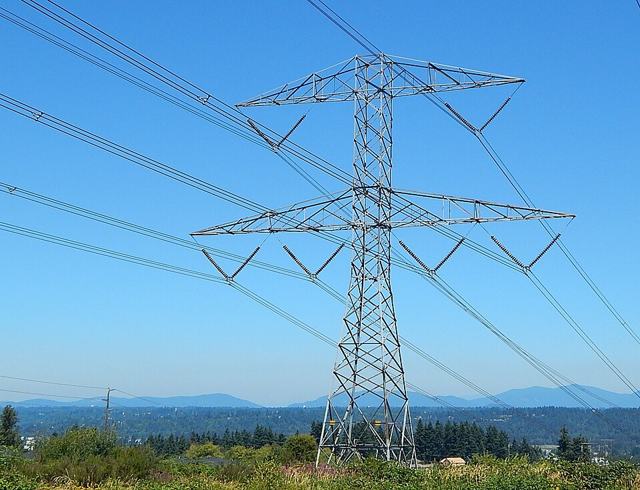
A high-voltage transmission tower and power lines
Stock image: Ron Clausen / Wikimedia Commons, CC0

Ikeja Electric apologises seven times in nine days over poor supply to Band A customers

Ikeja Electric has reportedly issued seven public apologies between 27 October and 4 November for failing to give Band A customers the promised 20 hours of electricity a day, citing grid instability and network faults.

Read more

Electricity distribution company Ikeja Electric has come under criticism after issuing seven public apologies in nine days over poor power supply in parts of Lagos.

What happened

According to reports on Thursday, 5 November 2026, the company published the apologies on its official X account between 27 October and 4 November, acknowledging that it had failed to provide the minimum 20 hours of daily electricity promised to customers on Band A feeders. It blamed grid instability, network faults, transformer limitations and maintenance work.

Why it matters

Band A customers pay the highest tariffs in exchange for a promise of at least 20 hours of power a day. Under regulatory rules, distribution companies that fail to meet the promised supply for a set period can be required to move affected feeders to a lower band and cheaper tariff. Customers have also complained of spending more on fuel for generators during outages.

Background

Nigeria's national grid has suffered frequent disruptions, and power supply remains one of the biggest complaints among households and businesses. This week, broadcaster Rufai Oseni said states lack the capacity to run their own electricity markets, while opposition candidates have criticised the government's record on power. The government says it is expanding generation and transmission capacity.

What happens next

Customers are calling on the regulator to enforce compensation and downgrade rules if supply does not improve.

Naija news
The Lagos skyline seen from the water
Stock image: kopee15 / Wikimedia Commons, Public domain

Reps bill would let regulators shut hospitals that refuse emergency patients

A bill to amend the National Health Act has passed second reading in the House of Representatives. It would require hospitals to begin triage within 15 minutes and stabilise emergency patients within 30 minutes, or risk losing their licences.

Read more

A bill that would allow regulators to suspend or revoke the licences of hospitals that refuse or delay emergency treatment has passed its second reading in the House of Representatives.

What the bill says

The bill, sponsored by House spokesman Akin Rotimi and debated on Wednesday, 4 November 2026, seeks to amend the National Health Act 2014 by setting mandatory timelines for emergency care. Under the proposal, facilities would have to begin assessing a patient within 15 minutes of arrival and provide basic stabilisation within 30 minutes. Where a life-threatening condition is identified, staff would have to start lifesaving treatment immediately, and hospitals with a free bed would have to assign it to an emergency patient.

Why it is needed

Section 20 of the existing Act already bans health workers and facilities from refusing emergency treatment, with a fine of ₦100,000, up to six months in prison, or both. However, some hospitals have continued to turn emergency patients away or demand payment before treatment. Rotimi said delays, administrative hurdles, upfront payment demands and poor referrals were still causing avoidable complications and deaths, and that the amendment would make clear who is responsible and how quickly they must act.

Background

There have been many reports in Nigeria of accident and gunshot victims, pregnant women and others dying after being refused care because they could not pay a deposit or provide a police report. The government has previously said hospitals must treat gunshot victims without waiting for police clearance.

Senate version

A similar bill sponsored by Senator Abdulaziz Yar'Adua is before the Senate. It proposes up to six months in prison, a fine of 300,000 naira, or both, for hospitals and health workers that fail to provide emergency care. It would also require hospitals to assess patients within 15 minutes, begin stabilisation within 30 minutes, provide a bed within two hours where available, and dispatch an ambulance or other transport within 30 minutes when a referral is needed. The medical and nursing councils would be asked to set up a national emergency care curriculum.

What happens next

The bill will now go to committee for further work before returning to the House for third reading.

Naija newsReported
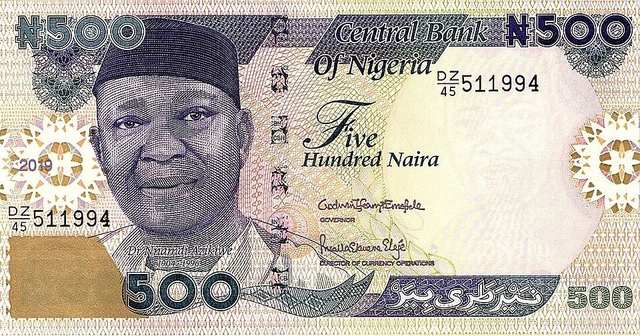
A Nigerian 500 naira note
Photo: CBN / Wikimedia Commons (Public domain)

Government says ₦50,000 NERSI beneficiaries will be chosen from official records, not applications

The federal government says beneficiaries of its ₦50,000 monthly National Emergency Relief and Stabilisation Intervention will be selected through verified government records and set criteria, not by applying or being nominated. It warned against scams.

Read more

The federal government has explained how it will choose beneficiaries for its National Emergency Relief and Stabilisation Intervention (NERSI), which pays ₦50,000 a month to vulnerable Nigerians.

How people will be selected

According to reports on Wednesday, 4 November 2026, the government said beneficiaries will be identified strictly through verified official records and defined eligibility criteria, rather than through applications or nominations. Only people who meet the set criteria will be considered.

Scam warnings

Officials have warned Nigerians not to share their PINs or one-time passwords with anyone who calls claiming to represent the programme, and have explained who may collect the payment on a beneficiary's behalf. Several digital banks and payment platforms have also published guidance on how to check eligibility.

Background

NERSI is one of several government schemes aimed at cushioning the effect of high living costs, alongside the HoPE cash transfer programme, which pays ₦25,000 a month for three months to eligible households, and the CREDICORP consumer credit scheme. The government says it is using the national social register to target the poorest households. Critics have questioned whether the payments reach the right people and say the amounts are small compared with rising prices.

What it means

People who have not been contacted through official channels are being advised to treat any request for payment or personal details with suspicion.

Naija newsReported
The Lagos skyline seen from the water
Stock image: kopee15 / Wikimedia Commons, Public domain

Soldier rewarded with ₦500,000 for rejecting kidnap suspect's bribe in Plateau

The Nigerian Army says Private Utim Terwase refused a ₦500,000 bribe from a kidnapping suspect he had arrested in Plateau State. His commander ordered that he receive a reward equal to the sum he turned down.

Read more

The Nigerian Army has rewarded a soldier with ₦500,000 for refusing a bribe of the same amount from a suspected kidnapper in Plateau State.

What happened

According to the Army, Private Utim Terwase arrested a suspected kidnapper after foiling an escape attempt. The suspect then reportedly offered him ₦500,000 to let him go. The soldier refused, handed the suspect over to the appropriate authorities and reported the bribe offer through proper channels.

The reward

The General Officer Commanding the Army's 3 Division, which runs Operation Enduring Peace in Plateau State, praised the soldier's integrity and directed that he be given a cash reward equal to the bribe he rejected. He urged other soldiers to follow his example.

Background

Plateau State has suffered repeated attacks by armed groups and kidnappers, and security forces are deployed across the state. Bribery is a long-standing concern in Nigeria's security services.

How people reacted

Many Nigerians praised the soldier as a role model and said such acts of honesty should be celebrated more often.