Naija & Western gistNews · Celebs · Trends

Trend Naija

Home › Naija news

Naija news
Reported

Nigerians with trade skills can work in Germany without degrees, says ambassador Ita Enang
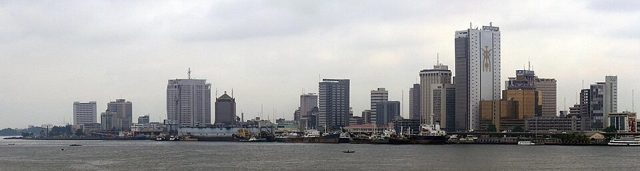
The Lagos skyline seen from the water
Stock image: kopee15 / Wikimedia Commons, Public domain

Nigeria's ambassador to Germany, Senator Ita Enang, says Nigerians with vocational and technical skills can find work in Germany even without a university degree.

What he said

Speaking in a television interview on Tuesday, 3 November 2026, Enang reportedly urged Nigerians to look at opportunities in jobs such as driving, hospitality, woodwork, welding and construction. He said many people overlook these options because they assume employers in Europe only want graduates. He said one concern since he took office was the small number of Nigerians he found working in Germany, although some hold senior positions.

The challenges

Enang said getting a visa is one of the main hurdles, and advised people to learn German and obtain the qualifications needed for their chosen trade. He said he was learning German himself to better understand the country's institutions, and praised Germans for the importance they attach to their language.

Background

Germany faces shortages of skilled workers in many sectors and has opened new routes for foreign workers in recent years, including for people with vocational training. Many young Nigerians are looking for opportunities abroad because of unemployment and high living costs at home. The government has also opened applications for its free vocational training programme, which offers courses in trades such as solar installation and plumbing.

Why it matters

Experts say skilled trades are increasingly in demand in Europe, and that proper certification and language skills can open doors for Nigerians who do not have degrees.

More gist

Naija newsReported
Aliko Dangote in a dark suit
Photo: Saba Dubai / Wikimedia Commons (CC BY 3.0)

Petrol depots cut prices below Dangote's ₦1,300 gantry rate

Several petrol depots in Lagos and Port Harcourt have reportedly cut prices to as low as ₦1,283 per litre, below Dangote refinery's new fixed gantry price of ₦1,300. Pump prices may take time to fall because of transport costs and existing stock.

Read more

Petrol marketers have started selling below the Dangote refinery's new ₦1,300 per litre gantry price, raising hopes that fuel could become a little cheaper for Nigerians.

The new prices

Price checks in Lagos and Port Harcourt on Tuesday, 3 November 2026, reportedly showed several depots selling petrol up to ₦17 per litre below the refinery's official rate. A depot in Port Harcourt listed the lowest price at ₦1,283 per litre. The Dangote refinery recently raised its gantry price to a fixed ₦1,300 per litre, saying it wanted to bring more stability to petrol pricing.

What it means for motorists

Depot prices are what marketers pay before transporting fuel to filling stations, so lower depot prices do not immediately mean cheaper fuel at the pump. Transport costs and stock bought at higher prices may delay any reduction for consumers, but analysts say competition between depots could gradually push pump prices down.

Background

Since the removal of the petrol subsidy in 2023, prices have been set by the market, and the Dangote refinery has become the biggest player in local supply. Its pricing decisions now strongly influence what other marketers charge. Days ago it had cut its gantry price to ₦1,210, before moving to the new fixed rate of ₦1,300, and depot owners have responded with their own changes. Petrol prices remain far higher than before the subsidy was removed, adding to the cost of transport and food. Meanwhile, cooking gas prices rose by up to 16 per cent at Lagos depots in recent days.

What happens next

Marketers say prices will depend on supply, exchange rates and global oil prices, which rose slightly this week after US strikes on Iran.

Naija newsReported
The Lagos skyline seen from the water
Stock image: kopee15 / Wikimedia Commons, Public domain

NPA says Nigeria's exports rose 25% in two years as port revenue quadrupled

The head of the Nigerian Ports Authority has reportedly said exports grew by more than 25% in two years, driven by cocoa, cashew nuts and manufactured goods, and that port revenue has quadrupled. A $1 billion upgrade of Apapa port is planned.

Read more

Nigeria's exports have grown by more than 25 per cent over the past two years, according to the Nigerian Ports Authority (NPA), which credits government reforms and new export facilities.

What was said

NPA Managing Director Abubakar Dantsoho made the disclosure at the annual World Ports Conference in London, organised by the International Association of Ports and Harbours, according to reports on Tuesday, 3 November 2026. He said the growth was driven by higher exports of agricultural products such as cocoa and cashew nuts, as well as manufactured goods. He also said revenue generated by Nigerian ports had increased four times, reflecting higher cargo volumes and improved efficiency.

New facilities

Dantsoho said four Export Processing Terminals would reduce delays for exporters, and that the government plans a $1 billion upgrade of Apapa port in Lagos, along with new digital systems to make Nigerian ports more competitive.

Background

Nigeria has long depended on crude oil for most of its export earnings, and successive governments have tried to grow non-oil exports. The weaker naira since 2023 has made Nigerian goods cheaper abroad, which has helped some exporters, though it has also raised the cost of imported inputs. Exporters have complained in the past about congestion, delays and high costs at the ports, especially in Lagos.

Why it matters

Higher exports bring in more foreign currency, which can support the naira. The currency gained slightly on Tuesday after losing ground in October.

Naija newsReported
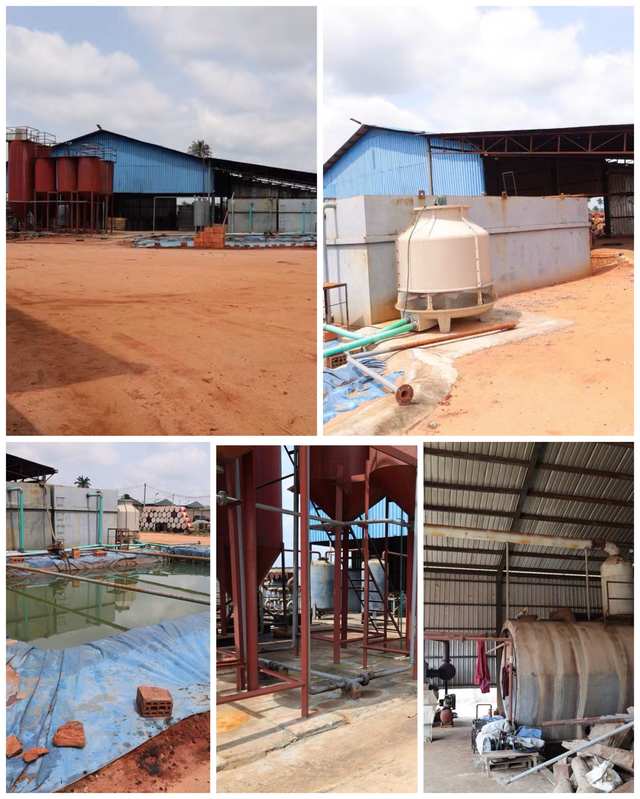
Red storage silos, a cooling tower, a lined water pit and processing equipment at the suspected illegal refinery in Ogere, Ogun State
Photo: Trend Naija

EFCC uncovers suspected illegal oil refinery allegedly operated by Chinese nationals in Ogun State

The EFCC has uncovered a suspected illegal oil refinery in Ogere, Ogun State, allegedly linked to Chinese nationals. No one was found on the premises during the raid, but investigators discovered underground tanks holding a substance suspected to be diesel.

Read more

The Economic and Financial Crimes Commission (EFCC) has uncovered a suspected illegal oil refinery in Ogere, Ogun State, allegedly linked to Chinese nationals.

The discovery has raised fresh concerns about illegal petroleum processing in Nigeria, especially the possibility that some operations are running quietly in places far from the country's major oil-producing areas.

The raid

According to reports, EFCC operatives raided the facility on Saturday, 31 October 2026, but nobody was found on the premises when they arrived.

During the operation, investigators discovered underground storage tanks holding substances suspected to be diesel, suggesting the site may have been used for petroleum processing and storage.

Sludge oil from Warri and Port Harcourt

Preliminary investigations reportedly showed that sludge oil was transported from Warri in Delta State and Port Harcourt in Rivers State to the Ogun State facility, where it was allegedly processed into petroleum products.

That detail raises an important question: how was petroleum waste moved across several states to a facility allegedly operating outside the law without attracting the attention of the relevant authorities?

Questions for investigators

Given the size and nature of such an operation, investigators will also need to establish how long the facility had been running, who financed it and whether other individuals or companies were involved.

The EFCC has reportedly taken control of the premises while investigations continue to identify those responsible, including the alleged owners and operators.

Although Chinese nationals have been linked to the facility, the identities of those involved have not been publicly established, and the allegations remain under investigation.

A wider problem

For many Nigerians, the discovery points to a familiar and troubling issue. While the country continues to battle crude oil theft, illegal refining and lost revenue in the petroleum sector, questions remain about how such operations are set up and kept running.

The authorities are now expected to determine the full extent of what went on at the Ogere facility and whether any laws were broken.

The big question

Who owns this refinery, how long has it been operating, and who has been supplying the materials used there?

As the EFCC investigation continues, Nigerians will be watching to see whether those behind the suspected operation are identified and brought before the law.

Naija newsReported
A Nigerian 500 naira note
Photo: CBN / Wikimedia Commons (Public domain)

Naira weakens in October as dollar demand outstrips CBN's $1.98bn intervention

The naira lost about 1.3% against the dollar in October, ending three months of gains, as festive-season demand and dollar shortages pressured the market. The CBN injected nearly $2 billion but reportedly met demand fully in only two of five interventions.

Read more

Nigeria's currency has come under fresh pressure as businesses scramble for dollars ahead of the festive season, according to market data reported on Tuesday, 3 November 2026.

The numbers

The naira closed October at ₦1,346.91 per dollar on the official market, compared with ₦1,329.50 at the end of September, a fall of about 1.31 per cent. It was the first monthly decline after three consecutive months of gains. The Central Bank of Nigeria (CBN) reportedly injected about $1.98 billion into the market during the month, but demand was fully met in only two of its five interventions.

Why it is happening

Importers, manufacturers and traders typically need more foreign currency towards the end of the year to bring in goods for Christmas and New Year sales. Analysts say this seasonal demand, combined with limited dollar inflows, is putting pressure on the naira.

What it means

A weaker naira raises the cost of imported goods and raw materials, which can push up prices for consumers. The CBN says stronger dollar inflows from oil exports, foreign investment and remittances are key to keeping the currency stable.

Background

The naira has been more stable in recent months after sharp falls in 2023 and 2024 following the unification of exchange rates. Foreign reserves have risen to their highest level in years, and inflation has fallen. The government points to these gains as evidence that its reforms are working, while critics say ordinary Nigerians are still struggling with high prices.