Naira weakens in October as dollar demand outstrips CBN's $1.98bn intervention
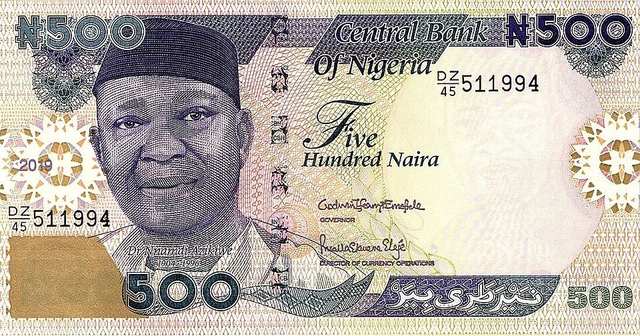
Nigeria's currency has come under fresh pressure as businesses scramble for dollars ahead of the festive season, according to market data reported on Tuesday, 3 November 2026.
The numbers
The naira closed October at ₦1,346.91 per dollar on the official market, compared with ₦1,329.50 at the end of September, a fall of about 1.31 per cent. It was the first monthly decline after three consecutive months of gains. The Central Bank of Nigeria (CBN) reportedly injected about $1.98 billion into the market during the month, but demand was fully met in only two of its five interventions.
Why it is happening
Importers, manufacturers and traders typically need more foreign currency towards the end of the year to bring in goods for Christmas and New Year sales. Analysts say this seasonal demand, combined with limited dollar inflows, is putting pressure on the naira.
What it means
A weaker naira raises the cost of imported goods and raw materials, which can push up prices for consumers. The CBN says stronger dollar inflows from oil exports, foreign investment and remittances are key to keeping the currency stable.
Background
The naira has been more stable in recent months after sharp falls in 2023 and 2024 following the unification of exchange rates. Foreign reserves have risen to their highest level in years, and inflation has fallen. The government points to these gains as evidence that its reforms are working, while critics say ordinary Nigerians are still struggling with high prices.
- The naira fell about 1.31% in October.
- The CBN injected nearly $2 billion.
- Festive-season demand is adding pressure.