Naija & Western gistNews · Celebs · Trends

Trend Naija

Home › Naija news

Naija news
Reported

EFCC, ICPC and FCCPC warn celebrities they will be held accountable for promoting scams
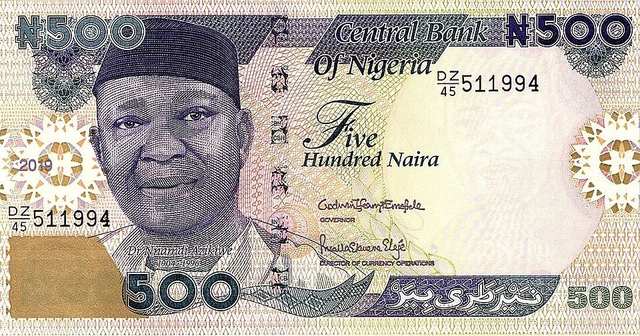
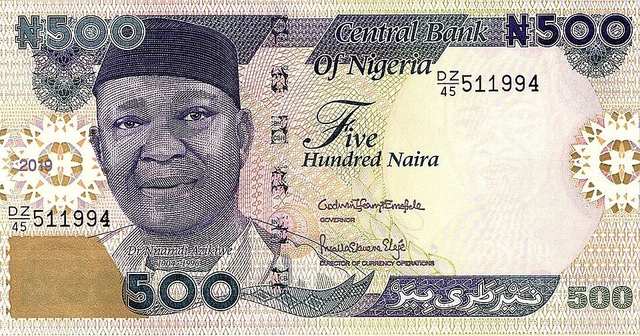
A Nigerian 500 naira note
Photo: CBN / Wikimedia Commons (Public domain)

Nigerian celebrities and social media influencers who advertise fraudulent products could face consequences, three federal agencies have warned.

What happened

At a joint stakeholder meeting in Abuja on Friday, 30 October 2026, the Federal Competition and Consumer Protection Commission (FCCPC), the Economic and Financial Crimes Commission (EFCC) and the Independent Corrupt Practices and Other Related Offences Commission (ICPC) reportedly said they would no longer accept claims of ignorance from celebrities whose endorsements lead Nigerians into scams.

What the agencies said

FCCPC Executive Vice Chairman Tunji Bello said celebrities would be held accountable for the products they promote. EFCC Chairman Ola Olukoyede warned that influencers who promote fraud would be treated as accomplices, saying the trust fans place in them must not be abused. The ICPC said fake endorsements undermine consumer confidence and fuel corruption. The agencies said skit makers, musicians and actors had promoted crypto schemes and fake loan apps that cost many Nigerians billions of naira.

Advice

The agencies urged celebrities to check products with regulators such as NAFDAC, the Securities and Exchange Commission and the FCCPC before signing endorsement deals. They also asked members of the public to report suspicious products and adverts that seem too good to be true.

Background

Several high-profile investment schemes promoted online have collapsed in recent years, leaving thousands of investors out of pocket. Some entertainers who advertised such schemes later faced public anger, and regulators have repeatedly warned about unregistered investment platforms and loan apps. The FCCPC publishes an updated list of approved digital lenders.

More gist

Naija newsReported
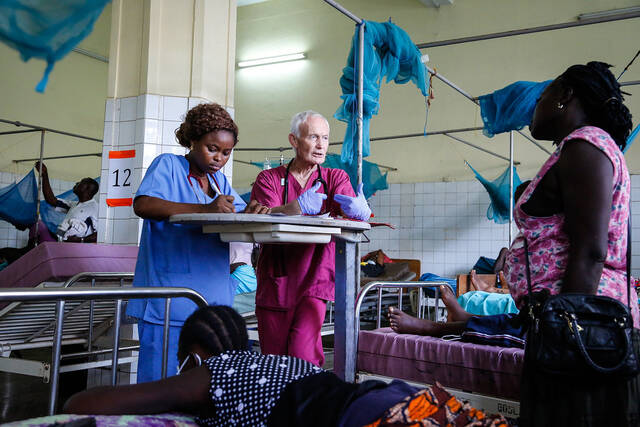
Medics at work in an Ebola observation ward (stock image)
Stock image: DFID - UK Department for International Development / Flickr, CC BY 2.0

NCDC reports two suspected Ebola cases in North-East, patients isolated

The Nigeria Centre for Disease Control says two suspected Ebola cases have been identified in the North-East and both people have been isolated. Laboratory tests are under way and contacts are being traced; the cases have not been confirmed.

Read more

The Nigeria Centre for Disease Control and Prevention (NCDC) has announced two suspected cases of Ebola virus disease in the North-East of the country.

What the NCDC said

In a social media post on Saturday, 31 October 2026, the NCDC said the two cases were suspected only and had not been confirmed. Both people have been isolated, laboratory tests are being carried out, and health workers have begun identifying and listing everyone who came into contact with them. The agency did not say which states the cases are in or give details about the patients, and said it would provide updates as verified information becomes available.

Advice to the public

The NCDC urged Nigerians to wash their hands thoroughly and often, improve sanitation and follow guidance from health authorities. Health officials generally advise anyone with symptoms such as sudden fever, weakness, vomiting or unexplained bleeding, especially after contact with a sick person or recent travel to an affected country, to seek medical care quickly and avoid self-medication.

Background

Nigeria recorded one confirmed imported Ebola case this month in a traveller who had recently been to Uganda. That patient was evacuated to Switzerland for treatment, and dozens of contacts were monitored. The wider outbreak, caused by the Bundibugyo strain, began in the Democratic Republic of Congo in May and has now passed 10,000 confirmed cases, with nearly 5,000 deaths. Africa CDC warned this week that the continent is not winning the fight against the virus.

What happens next

Test results are expected in the coming days. If the cases are confirmed, they would be the first locally detected cases in Nigeria during this outbreak.

Naija news
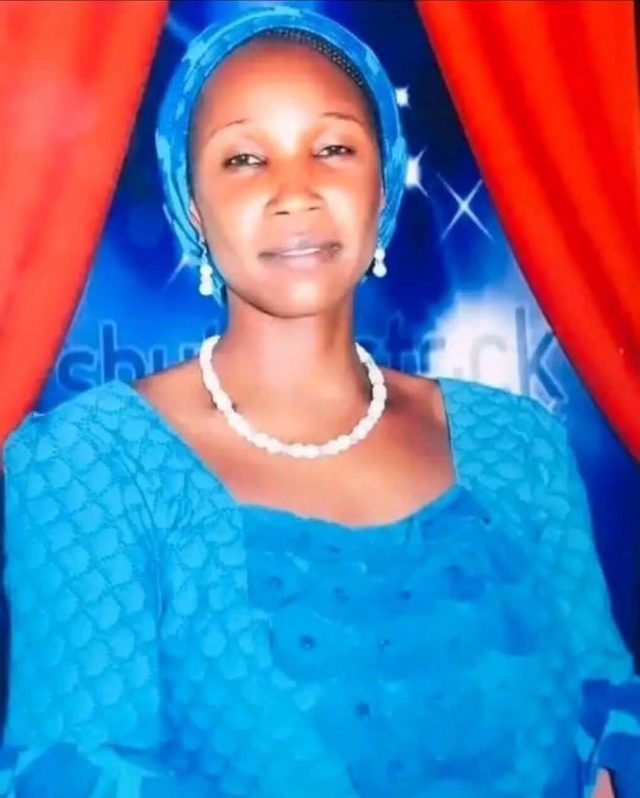
Portrait of Liyatu Samuel Dawa in a blue headscarf and blue dress with a white bead necklace, in front of red curtains
Photo: social media

Christian woman reportedly jailed 14 years in Borno after Muslim woman converts to Christianity

A Borno State High Court has reportedly sentenced Liyatu Samuel Dawa, a Christian woman, to 14 years in prison after an adult Muslim woman converted to Christianity. The convert reportedly told the court she changed her faith willingly, but Dawa was convicted under a section of the state penal code that deals with depriving a parent of lawful custody of a child.

Read more

A Christian woman identified as Liyatu Samuel Dawa has reportedly been sentenced to 14 years in prison by a Borno State High Court following the conversion of an adult Muslim woman to Christianity.

What the reports say

According to reports, the Muslim woman testified in court that she willingly embraced Christianity and was not forced or threatened by anyone.

Dawa was reportedly convicted under Section 210 of the Borno State Penal Code, which deals with depriving a parent of the lawful custody of a child. She reportedly received the maximum term of 14 years without the option of a fine, and is said to have pleaded for leniency.

What is still unclear

The full circumstances of the conviction remain unclear. It has not been explained publicly how a custody charge applies to the conversion of an adult, and there has been no statement yet from the Borno State judiciary or government. It is also not yet known whether Dawa will appeal.

Christian advocacy groups have described the sentence as punishment for sharing her faith and a miscarriage of justice. They say Dawa is in custody and that her family has gone into hiding after receiving threats.

Religious freedom and the Constitution

The case has raised concerns about religious freedom and how the law is being applied. Section 38 of Nigeria's Constitution guarantees every citizen the freedom to practise, change and share their religion or belief.

Many Nigerians argue that this freedom must apply equally to everyone, whether they are Christian, Muslim or of another faith, and are calling for the judgment to be reviewed by a higher court.

What do you think? Should this conviction be reviewed on appeal, and how can Nigeria make sure religious freedom is protected for everyone?

Naija newsReported
A Nigerian 500 naira note
Photo: CBN / Wikimedia Commons (Public domain)

FG announces ₦50,000 monthly cash relief for vulnerable households

The Federal Government has announced a ₦50,000 monthly cash transfer for vulnerable households under a new scheme called NERSI. Officials say beneficiaries do not need to apply or pay anyone, and will receive a text message asking for consent before payment.

Read more

The Federal Government has unveiled a new monthly cash transfer of ₦50,000 for vulnerable Nigerian households, as part of efforts to ease the pressure of high living costs.

What was announced

The Minister of Humanitarian Affairs and Poverty Reduction, Dr Bernard Doro, announced the National Emergency Relief and Stabilisation Intervention (NERSI) in Abuja on Friday, 30 October 2026, describing it as a presidential initiative. He said the programme would reach millions of Nigerians, although the exact number of beneficiaries and how long the scheme will last were not given. The amount could be reviewed over time in line with the cost of living.

How it will work

Officials reportedly said beneficiaries do not need to apply, pay any fee or register through agents. Payments will be made through licensed digital financial service providers. Each beneficiary will first receive a text message asking for their consent before money is sent to their bank account or mobile wallet. The ministry warned people never to share their PIN or Bank Verification Number with anyone, and provided an official helpline for complaints.

Background

The announcement follows the government's recent approval of a ₦70,000 monthly transport allowance for federal workers, which labour unions are divided over, and comes as opposition parties attack the government over the cost of living ahead of the January 2027 elections. Previous cash transfer schemes have faced complaints about who was selected and about fraudsters pretending to register people.

What to watch out for

Nigerians are being urged to be wary of anyone asking for money or personal details to 'enrol' them in the scheme, as officials say no such registration is needed.

Naija newsReported
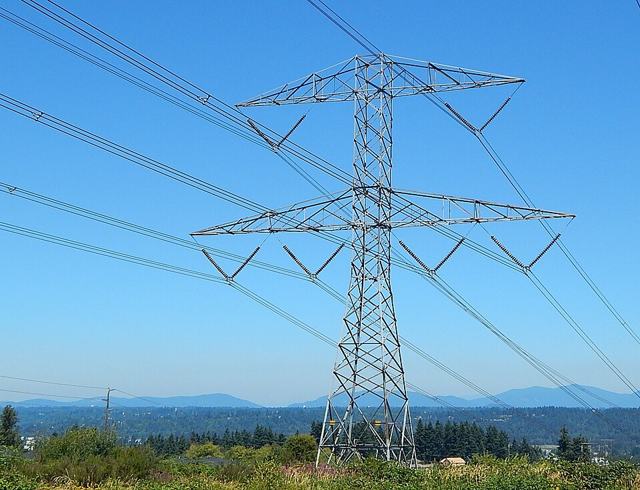
A high-voltage transmission tower and power lines (stock image)
Stock image: Ron Clausen / Wikimedia Commons, CC0

FG targets 70,000MW of electricity by 2060, eyes 21 dams for hydropower

Power Minister Joseph Tegbe says the Federal Government aims to generate 70,000 megawatts of electricity by 2060, and has identified 21 dams along the Sokoto–Badagry corridor for possible hydropower. Nigeria currently generates under 5,000MW despite installed capacity above 13,000MW.

Read more

The Federal Government has set a long-term target of generating 70,000 megawatts of electricity by 2060, the Minister of Power, Joseph Tegbe, has reportedly said.

What he said

Speaking at the Nigeria Energy Leadership Summit in Lagos, in comments reported on Friday, 30 October 2026, Tegbe acknowledged the gap between today's supply and the target. He said Nigeria has more than 13,000MW of installed capacity, but actual generation is below 5,000MW. He linked the need for much more power to growing demand from industry, technology and data centres.

The 21 dams

Tegbe said 21 dams along the route of the Sokoto–Badagry Superhighway have been identified for possible hydropower development, and that President Bola Tinubu has directed that they be rehabilitated and studied for electricity generation. He also mentioned the long-delayed Mambilla hydropower project and the proposed East and West super grids approved by the Federal Executive Council this week. No cost figures were given.

Background

Earlier this week, the Federal Executive Council approved procurement for new super grids meant to raise transmission capacity from about 5,000MW to 19,000MW within two years. The government has also ordered the clearing of hundreds of containers of power equipment stuck at the ports. Frequent grid collapses and poor supply remain one of the biggest complaints of Nigerians and businesses.

What it means

The 2060 target is a long-range goal, and experts say steady progress on transmission and gas supply will be needed long before new dams can make a difference.