Naija & Western gistNews · Celebs · Trends

Trend Naija

Home › Naija news

Naija news
Reported

Petrol prices at Lagos depots rise by up to ₦60 a litre as diesel falls
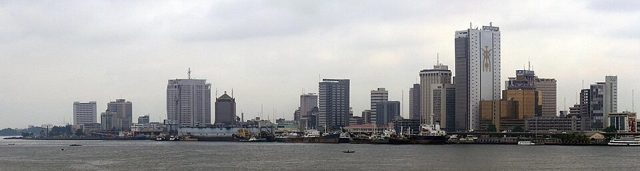
The Lagos skyline seen from the water
Stock image: kopee15 / Wikimedia Commons, Public domain

Petrol prices at major fuel depots in Lagos rose by as much as ₦60 per litre this week, while diesel prices fell, according to market data reported on Sunday, 8 November 2026.

The figures

Between Monday and Friday, the average petrol price across seven comparable depots in Lagos rose by about ₦41 per litre, while diesel fell by about ₦33. Some of the biggest increases were recorded at African Terminal, Integrated and A.A. Rano, which each raised their prices from ₦1,220 to ₦1,280 per litre. Aiteo raised its price by ₦56 to ₦1,277, Rain Oil by ₦55 to ₦1,280 and Nipco by ₦29 to ₦1,279, while MRS Tincan cut its price by ₦30 to ₦1,280. Similar movements were seen at depots in Warri and Port Harcourt.

Crude prices fell

The increases came even though international crude oil prices fell during the week, with Brent crude reportedly dropping by almost 5 per cent. Domestic supply conditions and marketers' costs also affect local prices.

Background

Depot prices are what marketers pay before selling to motorists, so changes usually feed through to filling-station prices within days. Petrol prices are now set by the market after the removal of the fuel subsidy in 2023, and have fluctuated with competition between the Dangote refinery, NNPC and importers. President Bola Tinubu said in Uyo this week that the government will never return to the subsidy. Cooking gas prices have also reportedly risen to about ₦1,900 per kilogram.

What it means

Motorists may see higher pump prices in the coming days, while businesses that rely on diesel could get some relief.

More gist

Naija newsReported
The Lagos skyline seen from the water
Stock image: kopee15 / Wikimedia Commons, Public domain

Bandits reportedly kill 12 members of one family in Zamfara village attack

Twelve members of the same family were reportedly killed when bandits set fire to the building where they had taken refuge during an attack on Gidan Taba village in Maradun LGA, Zamfara State. Other residents were said to have been kidnapped.

Read more

Twelve members of one family have reportedly been killed in an attack by bandits on a village in Zamfara State.

What happened

The attack took place late on Saturday, 7 November 2026, in Gidan Taba village, Dosara Birnin Kaya ward, in Maradun Local Government Area, according to residents. A resident said the head of the family had gathered his relatives into a single room to try to stop them from being kidnapped. When the attackers found the family and they refused to come out, the bandits reportedly set the building on fire, and all 12 people inside died. An unknown number of other residents were reportedly abducted during the raid. The victims were buried according to Islamic rites on Sunday morning.

Official response

The police and the Zamfara State Government had not publicly commented on the attack at the time of writing.

Background

Zamfara is one of the states worst affected by banditry in Nigeria's North-West, with armed groups carrying out killings, mass kidnappings and attacks on farming communities. Last week, bandits ambushed a bus carrying police officers on the Sokoto–Gusau road, reportedly killing and abducting some of them. Security forces have carried out repeated operations in the state's forests, but attacks on villages continue.

Naija newsReported
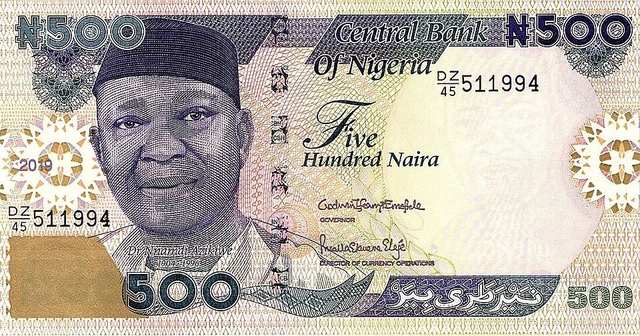
A Nigerian 500 naira note
Photo: CBN / Wikimedia Commons (Public domain)

CBN sets ₦15bn capital rule for dollar-backed stablecoins in new crypto rules

The Central Bank of Nigeria has set minimum capital of ₦10 billion for naira-backed stablecoin issuers and ₦15 billion for those offering dollar or other foreign-currency tokens, under new rules for crypto operators. Other crypto service providers will need ₦1 billion.

Read more

The Central Bank of Nigeria (CBN) has introduced tougher rules for cryptocurrency and stablecoin businesses, including minimum capital requirements of up to ₦15 billion.

The new requirements

Under the regulations, reported on Sunday, 8 November 2026, issuers of naira-backed stablecoins must have at least ₦10 billion in paid-up capital, while operators offering tokens backed by foreign currencies, such as dollar-pegged stablecoins, will need ₦15 billion. Other virtual asset service providers, including digital wallet, payment, transfer and custody businesses, must have at least ₦1 billion. The CBN said it may demand more capital from larger or riskier operators.

Licensing and foreign firms

The rules make it illegal for individuals or companies to issue, exchange, distribute or facilitate regulated virtual assets in Nigeria without CBN approval. Foreign operators targeting Nigerian customers must incorporate and obtain licences locally, regardless of approvals elsewhere. Companies already licensed by the Securities and Exchange Commission (SEC) will face extra capital requirements if they offer services under the CBN's oversight, while digital assets classed as securities will remain under SEC supervision. The rules also set standards for reserve management and consumer protection.

Background

Nigeria has one of the world's largest communities of cryptocurrency users. The CBN banned banks from dealing with crypto firms in 2021 before lifting the restriction in 2023, and the SEC has since moved to register and regulate crypto exchanges. Stablecoins, which are designed to keep a steady value linked to a currency such as the dollar, are widely used by Nigerians for savings and payments.

Naija newsReported
The Lagos skyline seen from the water
Stock image: kopee15 / Wikimedia Commons, Public domain

MultiChoice shuts down GOtv Stream app months after closing Showmax

MultiChoice has discontinued its GOtv Stream mobile app, telling users to go back to their decoders, without giving a reason. It is the latest change since French group Canal+ took over the company, following the closure of Showmax in April.

Read more

MultiChoice has shut down its GOtv Stream app, which allowed subscribers to watch selected GOtv channels on phones and tablets.

What happened

A notice on the GOtv Stream website, reported on Sunday, 8 November 2026, confirmed the closure and directed customers back to their television decoders. The app has also been removed from the Google Play Store and Apple App Store; app-tracking data showed the Android version was removed on 21 October. Before the closure, it offered live channels, catch-up programmes and offline downloads, depending on the subscription package. MultiChoice has not given a reason for the shutdown or announced a replacement.

Background

GOtv Stream launched in Nigeria on 1 December 2023 as part of MultiChoice's effort to let subscribers watch TV away from their living rooms. The closure is the latest change since French media group Canal+ took control of MultiChoice in a deal valued at about $2 billion, which became unconditional in September 2025. MultiChoice announced in March 2026 that it would close its Showmax streaming service, citing heavy losses, and Showmax shut down in April, with subscribers directed to DStv Stream. The company has also recently dropped the Africa Magic Family channel after 12 years.

Naija newsReported
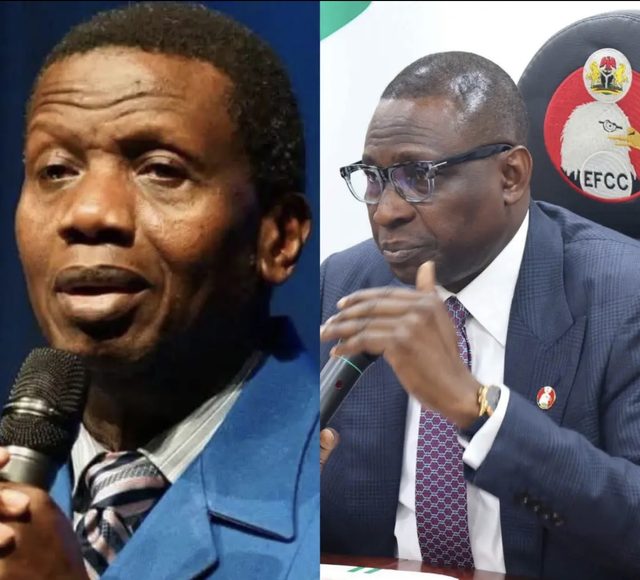
Side-by-side photos of Pastor Enoch Adeboye speaking into a microphone and EFCC chairman Ola Olukoyede at a press briefing
Photo: Trend Naija

EFCC chairman says Adeboye ordered return of billions donated to RCCG project

EFCC chairman Ola Olukoyede says RCCG General Overseer Enoch Adeboye ordered the refund of billions of naira donated to a church project within 24 hours of learning the money was proceeds of crime. He did not name the donor or the project.

Read more

The chairman of the Economic and Financial Crimes Commission (EFCC), Ola Olukoyede, says Pastor Enoch Adeboye, General Overseer of the Redeemed Christian Church of God (RCCG), ordered the return of billions of naira donated to a church project after learning that the money came from crime.

What he said

Speaking to RCCG workers early on Saturday, 7 November 2026, at a meeting held ahead of the church's annual Holy Ghost Congress, Olukoyede said Adeboye directed that the money be refunded within 24 hours of being told where it came from. He praised the pastor for acting quickly. According to reports, he did not name the donor, say which project the money was meant for, or give the exact amount.

Warning to churches

Olukoyede, who is himself an ordained pastor, said Adeboye had invited him to speak to the workers about financial accountability and keeping transparent records. He expressed concern about a growing number of cases involving church leaders in financial crimes and about allegations linked to contract awards for church projects.

Background

The RCCG is one of Nigeria's largest churches, and its Holy Ghost Congress draws huge crowds to the Redemption Camp on the Lagos–Ibadan Expressway every December.