Naija & Western gistNews · Celebs · Trends

Trend Naija

Home › Politics

Politics
Reported

Oyo lawmaker says National Assembly is 'not a battlefield' as he rejects rubber-stamp claims
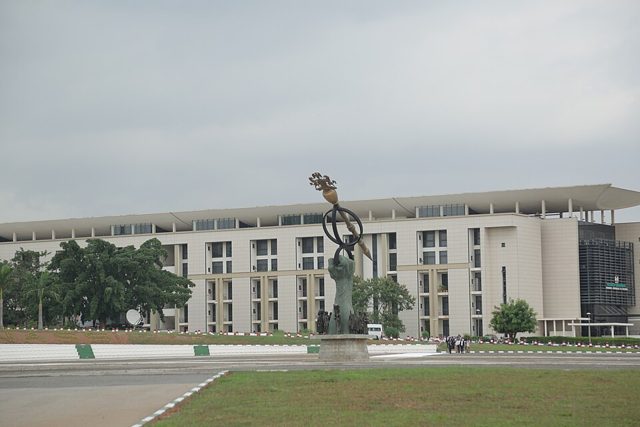
The National Assembly complex in Abuja
Stock image: Kabusa16 / Wikimedia Commons, CC BY-SA 4.0

A House of Representatives member from Oyo State has reportedly rejected accusations that the National Assembly simply approves whatever the Tinubu government sends. He argued that lawmakers and the executive are meant to work together.

More gist

PoliticsReported
The National Assembly complex in Abuja
Stock image: Kabusa16 / Wikimedia Commons, CC BY-SA 4.0

APC spokesperson Morka says poverty was not created by the Tinubu administration

The ruling party's national publicity secretary, Felix Morka, has argued that poverty in Nigeria existed long before President Tinubu took office. He is reportedly defending the government's economic record ahead of the 2027 campaigns.

PoliticsReported
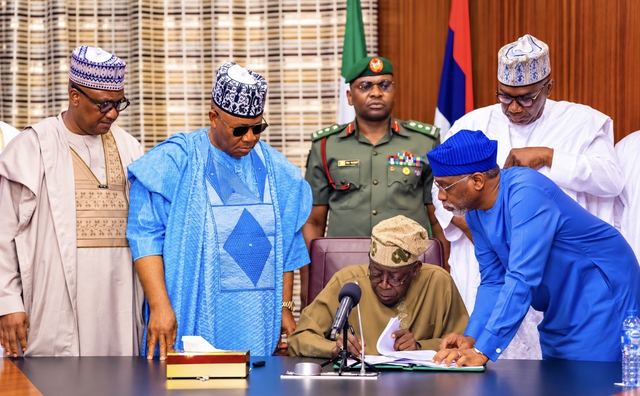
President Bola Tinubu signs a document at a table as Vice President Kashim Shettima and other officials look on
Image: social media

Tinubu's economic reforms may become difficult for future presidents to reverse as FG considers new law

The Federal Government is reportedly considering a law to protect key economic reforms introduced under President Bola Tinubu, including taxation, tariffs and subsidy reforms, from being easily reversed by future administrations. Supporters say it would bring long-term policy stability, while critics ask whether one government should be able to tie the hands of the next.

Read more

The Federal Government is reportedly considering legislation that would protect key economic reforms introduced under President Bola Ahmed Tinubu from being easily reversed by future administrations.

The proposed law could cover major economic policies, including taxation, tariffs and subsidy reforms, with the aim of providing long-term policy stability regardless of who occupies Aso Rock.

If introduced and passed by the National Assembly, such legislation could make it more difficult for future governments to change these policies without going through the necessary legislative process.

However, one important question remains: should one administration be allowed to make economic policies that future elected governments would find difficult to reverse, especially when those policies directly affect the cost of living?

A future National Assembly would ordinarily retain the power to amend or repeal such laws.

What do you think? Is this about protecting Nigeria's economic future, or limiting the choices of future presidents and the Nigerian people?