When Congo turned on Lumumba, Egypt did not abandon his family: how Nasser sent a colonel to save his children
It is one of the lesser-known chapters of Africa's liberation story, and a remarkable act of solidarity between two African nations.
A leader in danger
Patrice Lumumba, Congo's first Prime Minister after independence from Belgium in 1960, was overthrown within months and placed under house arrest. In January 1961 he was handed over to his enemies and assassinated, one of the most shocking political killings in African history.
As Congo descended into chaos, Lumumba's family was in grave danger, and his wife Pauline and their children had nowhere safe to turn.
Nasser's secret mission
Egypt did not look away. On the direct orders of President Gamal Abdel Nasser, Colonel Saad El-Din El-Shazly, who later became one of Egypt's most celebrated military commanders, took on the task of getting Lumumba's children safely out of the country.
El-Shazly knew Congo well. He had commanded the Egyptian battalion sent there in 1960 as part of the international force during the independence crisis, at a time when Egypt firmly backed Lumumba.
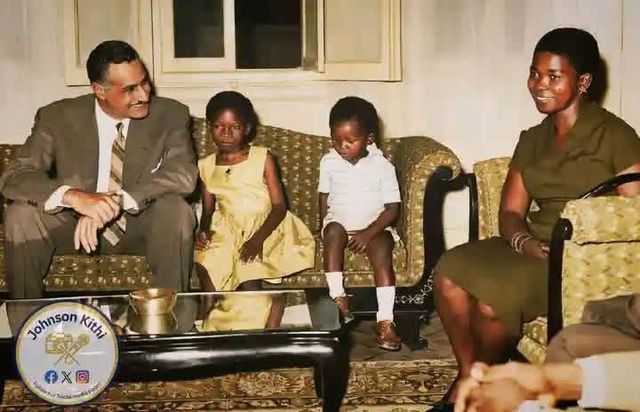
The operation was carried out in complete secrecy. Lumumba's children, including his eldest son François, were smuggled out of Congo and flown to Cairo, where they arrived safely while their father was still under arrest.
A new home in Cairo
After Lumumba's death, Pauline joined the children in Egypt. Nasser offered the family protection and support, and the Egyptian government helped with their housing, schooling and other needs.
Lumumba's children grew up in Egypt, which became not just a place of refuge but a home that embraced their father's cause as a symbol of African liberation.
Pauline later spent time in Europe before returning to Congo in the late 1960s, after Lumumba began to be honoured as a national hero. She settled in Kinshasa.
Africa looking out for its own
The story is a reminder that Egypt was not just a witness to Africa's independence struggles, but an active partner in them. When Lumumba's family was in danger, an African nation stepped in to protect them.
Over to you
Did you know this part of Lumumba's story? What does it tell us about African solidarity then, and now?
- Nasser ordered Lumumba's children to be secretly evacuated.
- Colonel Saad El-Din El-Shazly led the mission.
- The family lived in Cairo under Egypt's protection.