INEC under fire over alleged AI-generated images in voter register as concerns grow over Nigeria's democracy
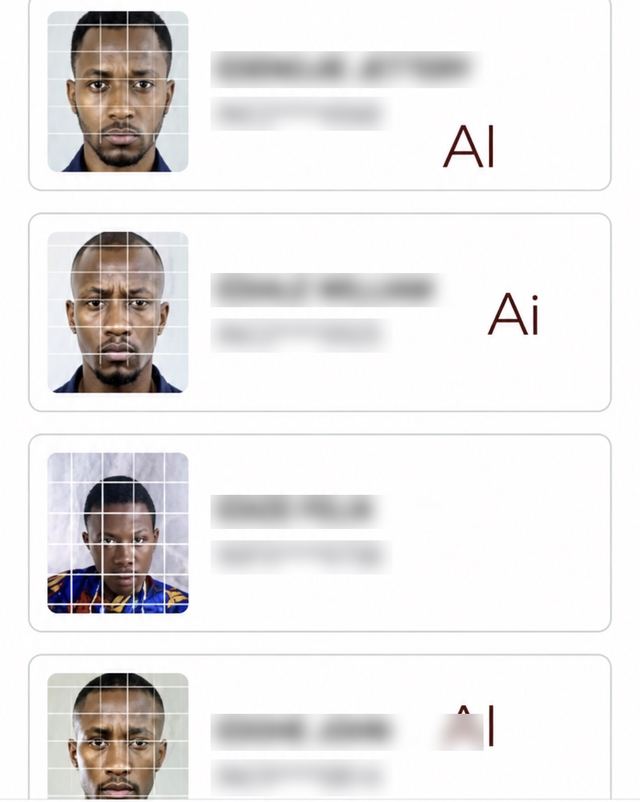
Fresh concerns have emerged over the credibility of Nigeria's Independent National Electoral Commission (INEC) following allegations that AI-generated images were found in the preliminary voter register, raising serious questions about the integrity of the country's electoral system.
The claims surfaced after INEC uploaded the preliminary register online, with users sharing screenshots of entries from several polling units in Edo State whose photographs they say look artificially generated. Some users have also alleged duplicate entries with the same photograph under different voter numbers. Economist and politician Pat Utomi has publicly asked INEC to explain the images. INEC had not publicly responded to the specific allegations at the time of writing.
The allegations have sparked concerns about the effectiveness of INEC's verification procedures, transparency and accountability, particularly as Nigeria prepares for future elections.
For an institution entrusted with protecting the voting rights of millions of Nigerians, the possibility of AI-generated photographs appearing in an official electoral database is a matter that deserves urgent investigation.
If confirmed, such irregularities could expose serious weaknesses in the processes used to register voters, authenticate their identities and maintain accurate electoral records.
How can Nigerians trust an electoral system if the authenticity of the photographs and identities contained in its register cannot be guaranteed?
INEC has a constitutional responsibility to conduct credible elections and maintain a reliable register of eligible voters. Any failure to detect manipulated images or questionable registrations could further weaken public confidence in an institution that has faced criticism over previous electoral exercises.
The growing sophistication of artificial intelligence also presents new challenges for electoral authorities worldwide. Images that appear genuine can now be generated or manipulated using readily available technology, making strong identity verification procedures increasingly important.
However, the existence of suspicious images alone would not establish electoral fraud. A proper investigation would need to determine whether the photographs were genuinely AI-generated, how they entered the register and whether they were connected to valid voter records.
Nigerians deserve clear answers from INEC. The commission should establish the facts, explain its verification procedures and disclose what safeguards are in place to prevent fraudulent registrations and manipulation of electoral information.
Where wrongdoing is established, those responsible should be identified and held accountable under the law.
Nigeria cannot afford another election overshadowed by doubts about the credibility of the electoral process. Democracy depends on public confidence that every legitimate vote will count and that electoral institutions can protect the integrity of the process.
With the 2027 general elections approaching, INEC must demonstrate that its systems are secure, its records are reliable and its operations are open to independent scrutiny.
The credibility of Nigeria's democracy is too important to be left to assumptions, political assurances or unanswered allegations.
The question Nigerians are asking is simple: if INEC cannot guarantee the authenticity of the identities in its electoral register, how can citizens be confident that it will deliver free, fair and credible elections in 2027?