Naija & Western gistNews · Celebs · Trends

Trend Naija

Home › World & West

World & West
Reported

Iran says two oil tankers caught fire after hitting mines in Strait of Hormuz
A globe of the Earth
Stock image: Zde / Wikimedia Commons, CC BY-SA 4.0

Iran's Islamic Revolutionary Guard Corps says two oil tankers caught fire after hitting naval mines in the Strait of Hormuz.

What Iran said

In a statement carried by Iran's state news agency on Sunday, 8 November 2026, the Guards said one tanker struck a mine in the eastern part of the strait and the other elsewhere in the waterway, while trying to cross using routes not authorised by Tehran. The statement did not name the vessels or give their nationalities, and accused them of violations including switching off their navigation and tracking systems. There was no independent confirmation of the incidents or of any casualties.

Background

Iran has sharply restricted shipping through the strait since a war began in late February, requiring ships to follow routes it has approved. The United States responded with a naval blockade of Iranian ports and has helped tankers pass through the waterway, which normally carries about a fifth of the world's oil. Iran has reported several ships catching fire in the strait in recent weeks. The incident comes days after US forces struck an Iranian air defence site on Qeshm Island, an operation President Donald Trump described as minor.

Why it matters

Disruption in the Strait of Hormuz affects global oil supply and prices, which in turn affect Nigeria's oil revenue and the cost of imported fuel.

More gist

World & WestReported
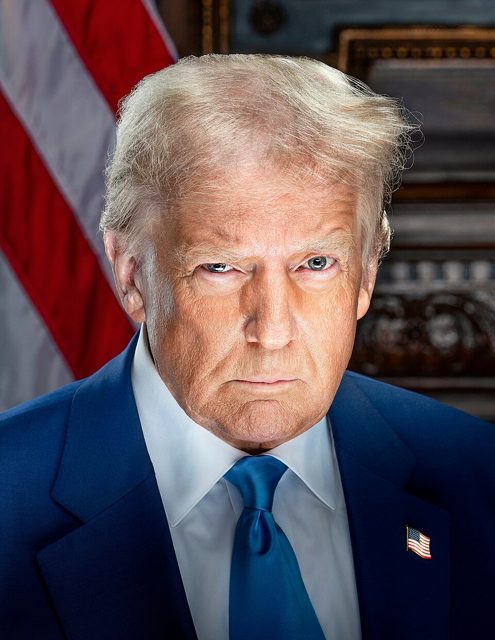
Donald Trump official portrait
Photo: Daniel Torok / Wikimedia Commons, Public domain

US strikes Iranian air defence site as Trump insists 'we are not at war'

US forces struck an Iranian air defence site on Qeshm Island on Friday, the second round of strikes this week, hours after Washington offered up to $20 million for information on Iran's nuclear programme. Trump described the strike as minor.

Read more

US forces struck an Iranian air defence site on Friday, 6 November 2026, the second round of American strikes on Iran in a week.

What happened

President Donald Trump told reporters the operation was minor, saying Iran had built an anti-aircraft device and US forces destroyed it in a matter of minutes. He insisted the United States was not at war with Iran, pointing to the absence of recent US casualties. Iranian state media reported two explosions in the Suza area of Qeshm Island, close to the Strait of Hormuz, a major route for the world's oil shipments. Earlier in the week, on Monday, US forces carried out strikes that Washington described as defensive, with explosions reported on the islands of Qeshm and Hengam and near the naval hub of Bandar Abbas.

Reward offer

Hours before Friday's strike, the US State Department offered up to $20 million and possible relocation for information about Iran's nuclear programme, including its scientists, technology and the organisations involved.

Talks

Trump said Washington remained in contact with Tehran. Regional officials said Iran was considering new proposals brokered by Qatar to ease tensions, but that it would not negotiate over its nuclear programme until the US met several conditions, including lifting sanctions and ending a blockade of Iranian ports.

Why it matters

Trump acknowledged that the conflict had contributed to his party's losses in this week's midterm elections, partly because it pushed up petrol prices. Tensions in the Gulf can also affect global oil prices, which matter for Nigeria's revenue and fuel costs.

World & WestReported
A globe of the Earth
Stock image: Zde / Wikimedia Commons, CC BY-SA 4.0

Paraguay's Santiago Peña impeached and placed under house arrest

Paraguay's Senate voted unanimously to remove President Santiago Peña over the collapse of Ueno Bank, a day after he offered to resign. He was placed under house arrest, and Vice-President Pedro Alliana was sworn in.

Read more

Paraguay's President Santiago Peña has been removed from office by the Senate and placed under house arrest over the collapse of Ueno Bank.

What happened

On Friday, 6 November 2026, all 44 senators present, including members of Peña's own Colorado Party, voted to remove him; one senator was absent. He was arrested minutes after the vote, and Vice-President Pedro Alliana was sworn in as interim president, expected to serve until 2028. Peña had offered to resign on Thursday, but senators went ahead with the impeachment, which strips him of the immunity normally enjoyed by former presidents. Senate President Basilio Núñez said Peña had been found guilty of dereliction of duty.

The allegations

The impeachment charges included conflicts of interest, manipulation of regulatory oversight, diversion of pension funds and involvement in a cover-up involving the central bank. Peña, who until last year held shares in the company that owned Ueno Bank, has denied wrongdoing. Prosecutors said he was due to be questioned.

Background

The collapse of Ueno Bank left large numbers of Paraguayans unable to access their savings and pensions, triggering a political crisis. Peña, an economist and former finance minister, took office in August 2023. Earlier this week, he apologised to Paraguayans in a video message.

What happens next

Investigators are expected to continue their inquiries into the bank's collapse, while depositors wait to learn whether they will recover their money.

World & WestReported
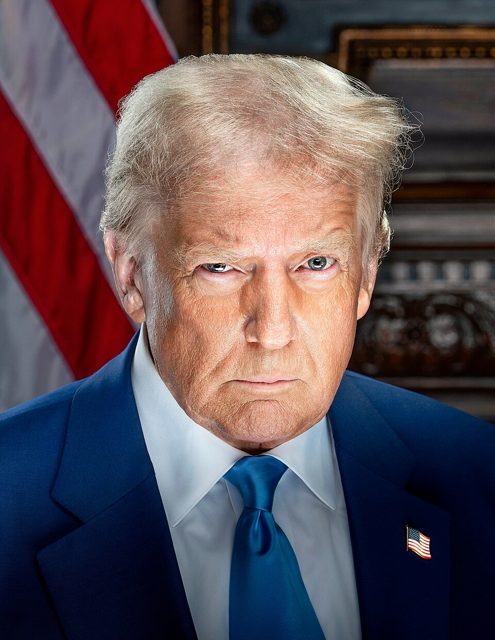
Donald Trump official portrait
Photo: Daniel Torok / Wikimedia Commons, Public domain

Armed man arrested near White House after allegedly saying voices told him to kill Trump

The US Secret Service arrested a Venezuelan man near the White House after he allegedly said voices told him to kill President Trump. Agents found a rifle, two handguns and ammunition in the car, which had been reported stolen.

Read more

The US Secret Service has arrested a man near the White House after he allegedly told agents that voices in his head had instructed him to travel to Washington and kill President Donald Trump.

What happened

According to US officials, agents spotted the man behaving suspiciously in a car parked beside the White House on Thursday, 5 November 2026. During questioning, he allegedly said voices had directed him to come to the capital and assassinate the President. Agents found that the car had been reported stolen, and a search turned up a rifle, two handguns and dozens of rounds of ammunition.

The suspect

The Department of Homeland Security said the man is a Venezuelan national who entered the United States illegally in 2024. He has been charged with several firearms offences, as well as unauthorised use of a vehicle and receiving stolen property, and is being held by the US Marshals Service. He has not yet been tried.

Secret Service comments

Secret Service Director Sean Curran said the arrest showed the kind of security environment his agents deal with every day. Officials said the White House has seen a significant rise in incidents linked to mental health problems, as the presidency often becomes a focus for people experiencing such conditions.

Background

Trump survived two assassination attempts during the 2024 election campaign. The arrest came in the same week that the President's party suffered heavy losses in the midterm elections and he named Stephen Miller as his new chief of staff.

World & West
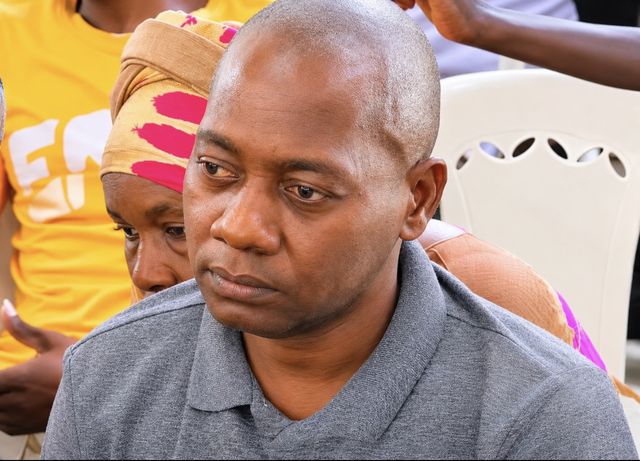
Paul Nthenge Mackenzie, the Shakahola preacher, seated among other people
Photo: Trend Naija

Kenyan pastor sentenced to 200 years in prison over Shakahola starvation tragedy that claimed hundreds of lives

Kenyan preacher Paul Nthenge Mackenzie has reportedly been sentenced to 200 years in prison over the deaths of 191 members of his Good News International Church, including 190 children. He and 28 others were found guilty in October.

Read more

Kenyan preacher Paul Nthenge Mackenzie has reportedly been sentenced to 200 years in prison over the deaths of 191 members of his Good News International Church, including 190 children, in one of the most disturbing religious tragedies in Kenya's history.

The sentence

The Mombasa High Court handed down the sentence on Friday, 6 November 2026, following its ruling on 19 October in which Mackenzie and 28 other defendants were found guilty. The prosecution had earlier asked the court to impose the death penalty.

What happened in Shakahola

According to the prosecution, between 2021 and 2023 Mackenzie gathered his followers on a 325-hectare property in the Shakahola Forest, near the coastal town of Malindi in south-eastern Kenya.

There, he convinced them that starving themselves to death would allow them to meet Jesus.

Imagine the level of trust these families must have placed in their religious leader. Parents, children and entire households were drawn into a belief system that eventually turned deadly.

During the trial, the defence argued that the children had taken part in the fasting voluntarily. The judge rejected that argument.

How the tragedy came to light

The case first drew international attention in April 2023, when authorities discovered the first bodies buried in the forest.

What first looked like an isolated discovery soon turned into something far more horrifying. As investigators kept searching, more graves were uncovered. Eventually, more than 400 bodies were exhumed, revealing the enormous scale of the disaster.

More than 200 witnesses testified during the proceedings. Mackenzie had been in custody since 14 April 2023, when he surrendered to authorities after the first victims were found.

The children who died

Kenya, a country where religion plays an important part in everyday life, was deeply shaken by the discoveries.

For many, the most painful part of the story is the number of children who died. These were young lives that depended on adults for protection, yet they became victims of circumstances they could neither understand nor control.

A warning about blind obedience

The case is a troubling reminder of what can happen when people give up their ability to question religious authority, and it raises serious questions about religious manipulation and the protection of vulnerable people.

Faith is deeply personal, and millions find comfort, hope and direction in religion. But when a religious leader begins demanding actions that threaten human life, the consequences can be devastating.

Over to you

How could such a tragedy continue for so long before authorities uncovered what was happening in the forest? And how far should people go in obeying religious leaders when their teachings put lives in danger?