Naija & Western gistNews · Celebs · Trends

Trend Naija

Home › Politics

Politics
Reported

"Pharaoh, let my people go!": Cubana Chief Priest replies Umahi, accuses him of giving Tinubu fake promises on South-East votes
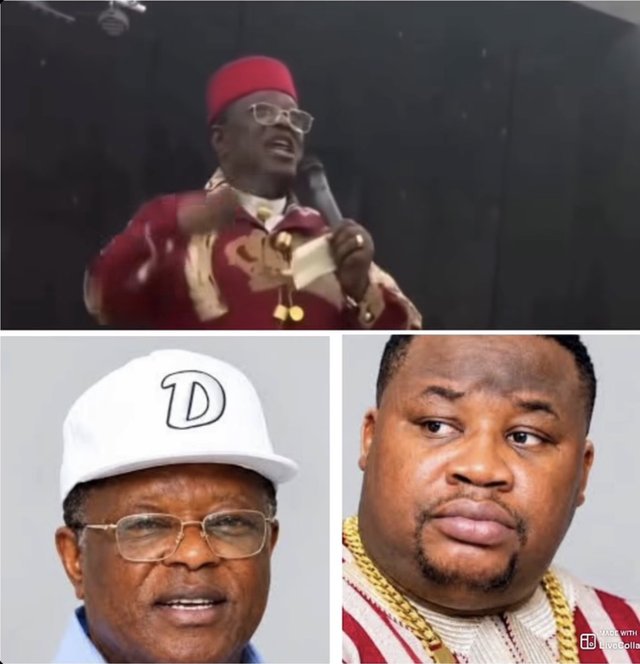
Collage of a man in a red cap speaking into a microphone, Works Minister David Umahi in a white cap, and Cubana Chief Priest
Photo: Trend Naija

Socialite and businessman Cubana Chief Priest has replied Minister of Works David Umahi, a day after the minister mocked his famous "money na water" catchphrase and asked how many people he has given scholarships.

"Pharaoh, let my people go"

Borrowing from the Bible story of Moses and Pharaoh, Cubana Chief Priest gave the minister a new nickname, and accused him of making promises to President Bola Tinubu that he cannot deliver.

"Pharaoh, let my people go. Stop giving Tinubu fake promises on votes. What project are you using to convince South-East people to vote for him?" he said.

The governorship claim

He went further, claiming that Umahi is preparing his son to become governor of Ebonyi State after the current governor, Francis Nwifuru.

Speaking partly in Pidgin, he said, in effect: "You're busy preparing your son to be governor after Nwifuru. God won't let that happen. You want to use Ebonyi State to settle your child. Let the young man come and meet us on the street so we can teach him how to make 'money na water'."

This is Cubana Chief Priest's claim, and Umahi has not yet responded to this latest attack.

How it started

The exchange began weeks ago when Cubana Chief Priest described Umahi as the second-worst minister from the South-East. Umahi hit back by telling him he was "becoming very noisy", comparing him unfavourably with Dangote and Otedola, and asking, "How many people have you given scholarships?"

Now the socialite has turned the argument back to politics, questioning what Umahi has done to win South-East votes for the President.

Over to you

Who is winning this war of words: the minister or the socialite? And is Cubana Chief Priest right to question what the South-East has to show for supporting Tinubu?

More gist

PoliticsReported
The National Assembly complex in Abuja
Stock image: Kabusa16 / Wikimedia Commons, CC BY-SA 4.0

Nigeria seeks $500m World Bank loan for infrastructure financing platform

The federal government has approached the World Bank for a $500 million loan to set up a platform to attract private investment into infrastructure, part of a wider $3.85 billion programme called INFRAGROW.

Read more

The federal government has asked the World Bank for a $500 million loan to set up a platform to attract private investment into Nigerian infrastructure.

The loan

According to a World Bank project document updated on 4 November 2026 and reported on Monday, 9 November, the facility is part of a broader $3.85 billion programme called the Nigeria Infrastructure Financing and De-Risking Platform for Growth and Jobs, or INFRAGROW. The Federal Ministry of Finance is listed as the borrower and the Nigeria Sovereign Investment Authority (NSIA) as the implementing agency. The aim is to reduce the risks that discourage private investors from funding infrastructure projects.

Why the bank says it is needed

The World Bank estimates that Nigeria has an infrastructure financing gap of about $100 billion a year, which holds back growth, competitiveness and job creation. It says the problem is not only a lack of money but also weak project preparation and difficulty turning proposals into commercially viable investments.

Background

The request comes as President Bola Tinubu also seeks Senate approval for about $7.7 billion in new external borrowing, and as government borrowing becomes a major campaign issue. NDC candidate Peter Obi has challenged the President to account for loans, while the Presidency says claims that it has borrowed ₦120 trillion are distorted. The World Bank reported last week that Nigeria's total external debt rose to about $145 billion in 2025.

PoliticsReported
The National Assembly complex in Abuja
Stock image: Kabusa16 / Wikimedia Commons, CC BY-SA 4.0

Seyi Tinubu tells Isaac Fayose to 'behave' after video criticising youths

President Tinubu's son Seyi has hit back at businessman Isaac Fayose, who posted a video calling Nigerian youths lazy and criticising the heavy security at a City Boy Movement walk in Port Harcourt that Seyi led.

Read more

Seyi Tinubu, son of President Bola Tinubu, has responded to businessman Isaac Fayose after a video in which Fayose criticised young Nigerians and a pro-Tinubu walk.

What Fayose said

In a video posted on Instagram on Saturday, 7 November 2026, Fayose used footage from a City Boy Movement walk in Port Harcourt, led by Seyi Tinubu, to question why the President's son was accompanied by a large security team of police, DSS and civil defence officers. He described Nigerian youths who turned out to support the President's re-election as lazy and distracted, pointing to insecurity in Benue, Plateau and Kogi states, deportations from the United States and hostility towards Nigerians in other African countries.

Seyi Tinubu's response

Seyi Tinubu hit back, telling Fayose, whom he described as a content creator, to behave himself, according to reports on Monday, 9 November.

Background

The City Boy Movement is a youth group backing Tinubu's re-election, and Seyi Tinubu has become increasingly visible in the campaign, leading walks and meeting youth groups. Isaac Fayose, a businessman and brother of former Ekiti governor Ayodele Fayose, is known for outspoken videos on social media and recently claimed that AI-generated voters could affect the 2027 elections.

PoliticsReported
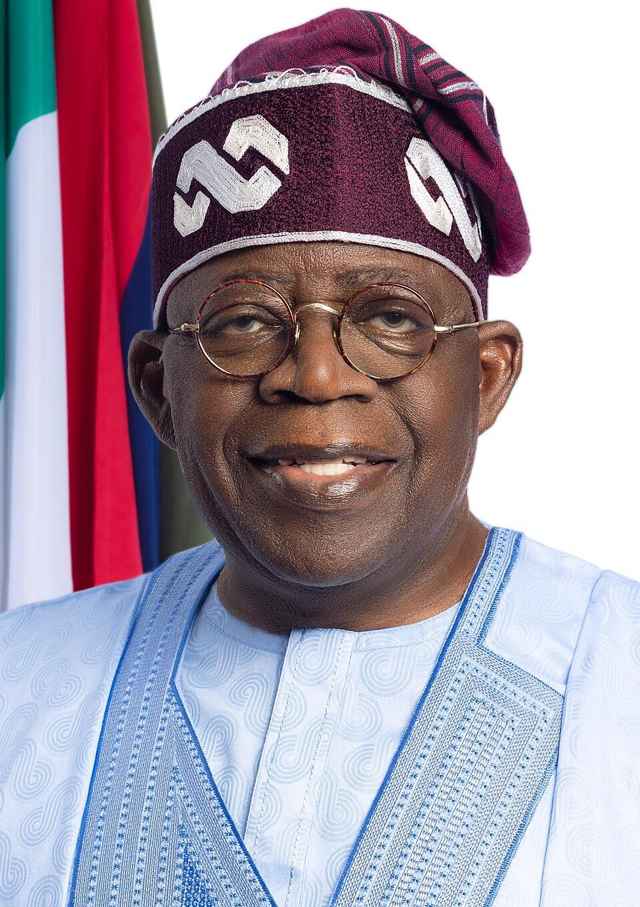
President Bola Tinubu
Photo: Nosa Asemota / Wikimedia Commons, CC BY-SA 4.0

Presidency rejects claim that Tinubu borrowed ₦120 trillion in three years

The Presidency says viral claims that President Tinubu added ₦120 trillion to Nigeria's debt in three years are misleading, arguing that they ignore old Central Bank overdrafts added to the books in 2023 and the effect of unifying the exchange rate.

Read more

The Presidency has rejected viral social media claims that President Bola Tinubu's government has added ₦120 trillion to Nigeria's debt in its first three years.

What the Presidency said

In a statement on Sunday, 8 November 2026, the President's special assistant on social media, Dada Olusegun, described the figures as a distorted picture of the country's public finances. The claim came from a widely shared graphic saying that 16 previous Nigerian leaders borrowed a total of ₦46 trillion over 63 years, compared with ₦120 trillion under Tinubu.

The Presidency's argument

Olusegun said the ₦46 trillion figure, from late 2022, left out ₦22.7 trillion in Central Bank of Nigeria 'Ways and Means' overdrafts to the previous government, which were only formally added to the official public debt in May 2023. He also said earlier valuations of foreign debt used an official exchange rate of about ₦448 to the dollar, which understated the true naira value of those debts; when the exchange rate was unified, the naira value of existing foreign debt rose sharply even without new borrowing.

Background

The rebuttal came after NDC candidate Peter Obi challenged Tinubu to account for subsidy savings and more than $100 billion he said the government had borrowed. The World Bank reported last week that Nigeria's total external debt, including private debt, rose to about $145 billion in 2025. Tinubu is also seeking Senate approval for about $7.7 billion in new external loans, which opposition figures have urged lawmakers to reject.

Why it matters

Debt and the cost of living are expected to be major issues in the 16 January 2027 presidential election.

PoliticsReported
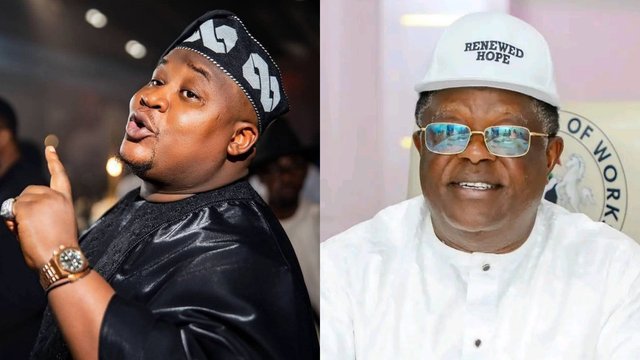
Cubana Chief Priest gesturing in a black outfit, beside Works Minister David Umahi in a white Renewed Hope cap
Photo: Trend Naija

"You're becoming very noisy, 'money na water'!": Umahi fires back at Cubana Chief Priest, questions his wealth and contributions to society

Works Minister David Umahi has hit back at Cubana Chief Priest, weeks after the celebrity businessman called him the second-worst minister from the South-East. Umahi mocked his famous "money na water" catchphrase and asked how many people he has given scholarships.

Read more

"You're becoming very noisy. Money na water. How much do you have? Have you ever seen Dangote saying, 'I have money,' or Otedola saying that he's rich? Money speaks for itself. It's not by saying money na water. What have you done? How many people have you given scholarships?"

Those were the strong words of Nigeria's Minister of Works, David Umahi, as he fired back at Cubana Chief Priest, weeks after the celebrity businessman described him as the second-worst minister from the South-East.

"Money speaks for itself"

The criticism clearly did not go down well with the former Ebonyi State governor, who has now turned the conversation towards wealth, public conduct and what rich people are doing to improve the lives of others.

Umahi questioned the constant public display of wealth, particularly the expression "money na water" (meaning money flows like water), which Cubana Chief Priest is widely known for.

He pointed to two of Nigeria's richest businessmen, Aliko Dangote and Femi Otedola, and asked whether Nigerians regularly hear them announcing how much money they have. For Umahi, genuine wealth should speak through achievements, investments and contributions to society, not constant declarations on social media.

The scholarship question

The line that stands out most is his question: "How many people have you given scholarships?"

That question takes the argument beyond who has more money. It raises a different issue entirely: what impact are wealthy Nigerians making in the lives of ordinary people?

Two different conversations

Cubana Chief Priest has every right to criticise a public officeholder, and Umahi, as a serving minister, is equally entitled to respond. But criticism of a minister's performance is ultimately best answered with evidence of work done, projects completed and results delivered.

That is what makes this exchange interesting. Umahi is questioning Cubana Chief Priest's display of wealth, while the original criticism was about Umahi's performance as Minister of Works. These are two different conversations, and Nigerians will have their opinions on both.

Over to you

Does Cubana Chief Priest need to prove how many people he has helped before he can criticise a serving minister? Or should Umahi focus on defending his performance in office rather than questioning another man's wealth?