CBN and NNPC sign new agreement to tighten oversight of Nigeria's oil revenue
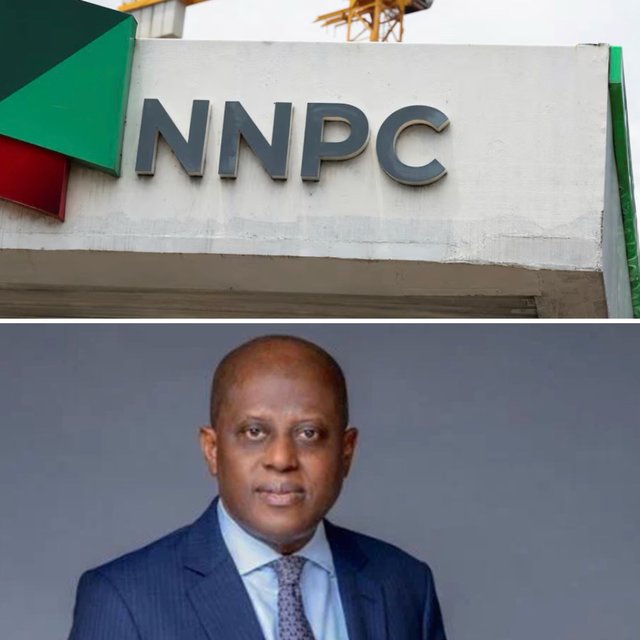
The Central Bank of Nigeria (CBN) and NNPC Limited have signed a new agreement aimed at tightening oversight of Nigeria's oil revenue.
What the agreement covers
The agreement covers foreign-exchange inflows, the remittance of oil proceeds, energy financing, digital payments, regulatory compliance and cybersecurity.
Officials say it will replace the old practice of dealing with issues one transaction at a time with a more structured system, including joint committees and performance monitoring.
Why it matters
Oil remains Nigeria's biggest source of foreign exchange and a major part of government revenue. For years, questions have been raised about how much oil money actually reaches government accounts, and how quickly.
Stronger coordination between the central bank and the national oil company could, in theory, improve transparency, boost foreign-exchange supply and help stabilise the naira.
Promises versus results
It sounds promising, but Nigerians will need to see measurable results. The full agreement has not been made public, and no target has been given for additional revenue or foreign-exchange inflows.
Without published targets and regular public reporting, it will be difficult for citizens to judge whether the new arrangement is working.
The real test
The real test is simple: will more oil money reach government accounts, and will Nigerians be able to see it?
Over to you
Do you believe this CBN-NNPC agreement will improve transparency in Nigeria's oil revenue, or is it just another memorandum?
- CBN and NNPC have signed an oil revenue oversight agreement.
- It covers FX inflows, remittances and cybersecurity.
- The full agreement and targets have not been released.